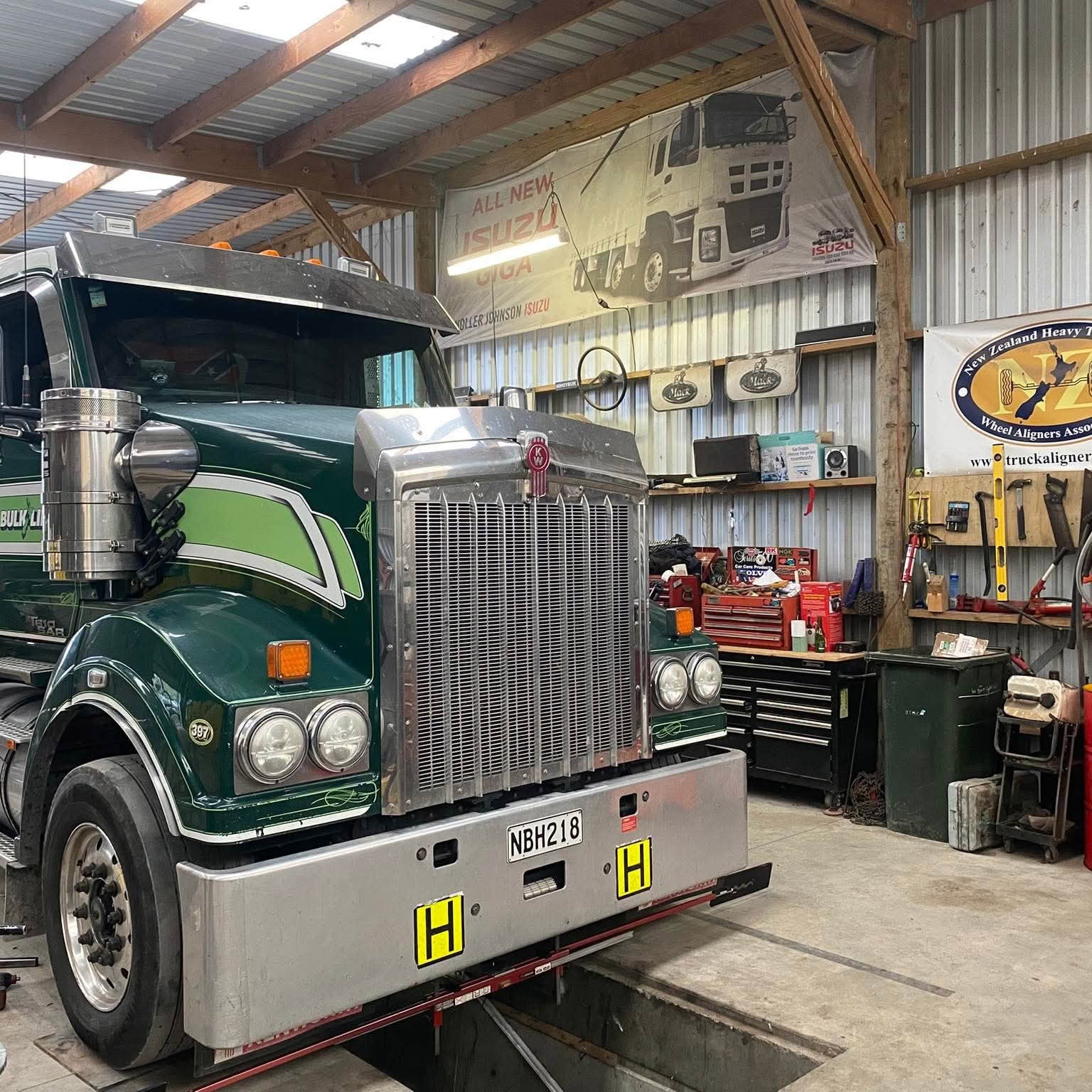

Reflections on member visits
This week I had the pleasure of joining our Membership Team Manager, John Collins for a day of visits to transport businesses around the Garden City.

While there had been some degree of strategic approach by John in making the appointments, the visits reminded me that businesses share as many similarities as differences.
The main differences between those we visited were their scale and scope, and what currently matters to each of them, despite all being very well established.
Core commonalities, however, were the high level of capability across multiple areas and the presence of strong leadership. Transport is a tough game. It’s fast moving, dynamic, highly competitive, and exposure to risk from externalities is relatively high.
Despite all that, our industry keeps the country moving and that’s largely because it has great people. The current road network challenges around the Tairāwhiti region exemplify the resilience and adaptability of transport businesses, ensuring freight goes where it needs to be.
I flew out feeling a bit guilty we don’t celebrate that enough, so to all our members, thanks again for all you do. I’m already looking forward to my next member visits to the mainland.
International similarities and differences: climate, compliance, EVs and taxes
This week was the turn of my friends and colleagues from the African continent to provide the HVTT Forum newsletter.
Almost at the same time extreme weather was creating havoc in our Tairāwhiti region, some 12,000 kilometres away heavy rainfall and flooding was hitting Mozambique and the eastern parts of South Africa and Zimbabwe.
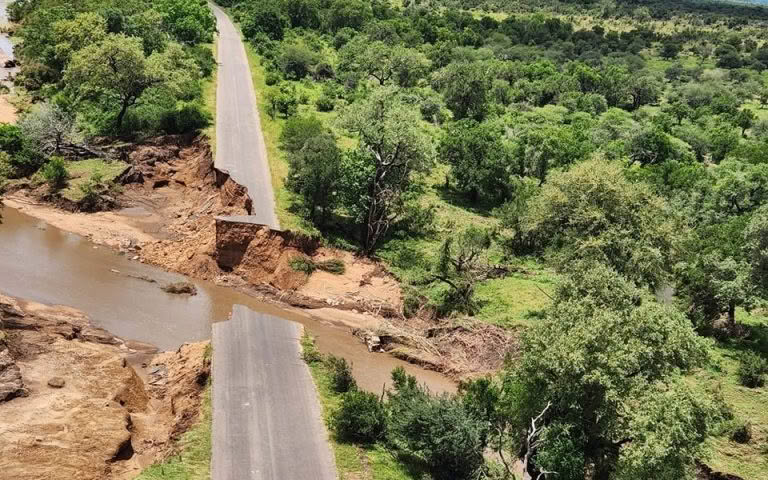
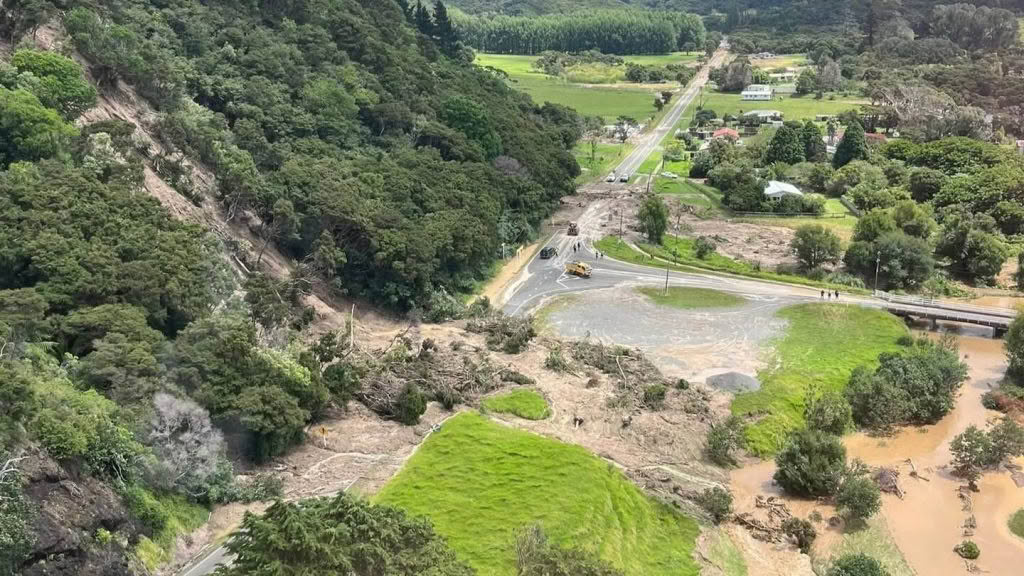
The Kruger National Park bordering on Mozambique was badly affected, with many of the camps being evacuated at short notice and most entrances closed. Much of the road network has been damaged and several bridges and culverts have been washed away. The current flooding is said to be worse than the year 2000’s major floods in the same area, with the BBC calling them the “worst floods in a generation”.
HVTT’s Vice President (Africa), Paul Nordengen also wrote about the deployment of high-speed weigh-in-motion (WIM) and automated number plate recognition (ANPR) technology for direct enforcement purposes. Like the new network of CVSC sites being built across New Zealand, the South African National Roads Agency (SANRAL) is initiating the first phase of the implementation of Direct WIM Enforcement, WIMe, in South Africa.
What struck me was Nordengen’s reporting that Ethiopia now has over 100,000 electric cars on the road (close to one in ten), and a completed Green Corridor Transition Plan for the Addis to Djibouti corridor, setting the stage for electric trucks. This was reported in the context that “policy choices matter”. In comparison, New Zealand’s fleet has about 87,500 electric cars.
Our countries are very different, so here’s some other stats. Ethiopia has a population of about 137 million versus our 5.2 million, or about 26 times more than us. It has a fleet of about 1.2 million vehicles versus our 4.7 million vehicles. Put even simpler, New Zealand has more than 800 vehicles per 1,000 people while Ethiopia has 10.
Why is that? A ban of ICE vehicles, accompanied by import duty waivers and tax exemptions for EVs came into force in 2024, but this phenomenon goes further back than that. Cars, whether new or second hand, have been classed as a luxury good in Ethiopia since the 1970s, attracting prohibitively high import taxes of up to 200-300%.
I’m not sharing this with any inference that one country is right or wrong, or good or bad, and I’m sure you will draw your own conclusions. But I think the fleet numbers in each country is a powerful demonstration that policy choices do matter.