There is concern we could be in for a spike in fuel prices or even shortages following the US/Israeli air strike on Iran, more so after the Iranian regime effectively closed the Strait of Hormuz, through which about 20% of the world’s oil is shipped.
Although NZ no longer imports oil for refining at Marsden Point – we now import all our refined fuel needs, mainly from refineries in Asia – we are still subject to oil price fluctuations which flow onto the refined fuel price.
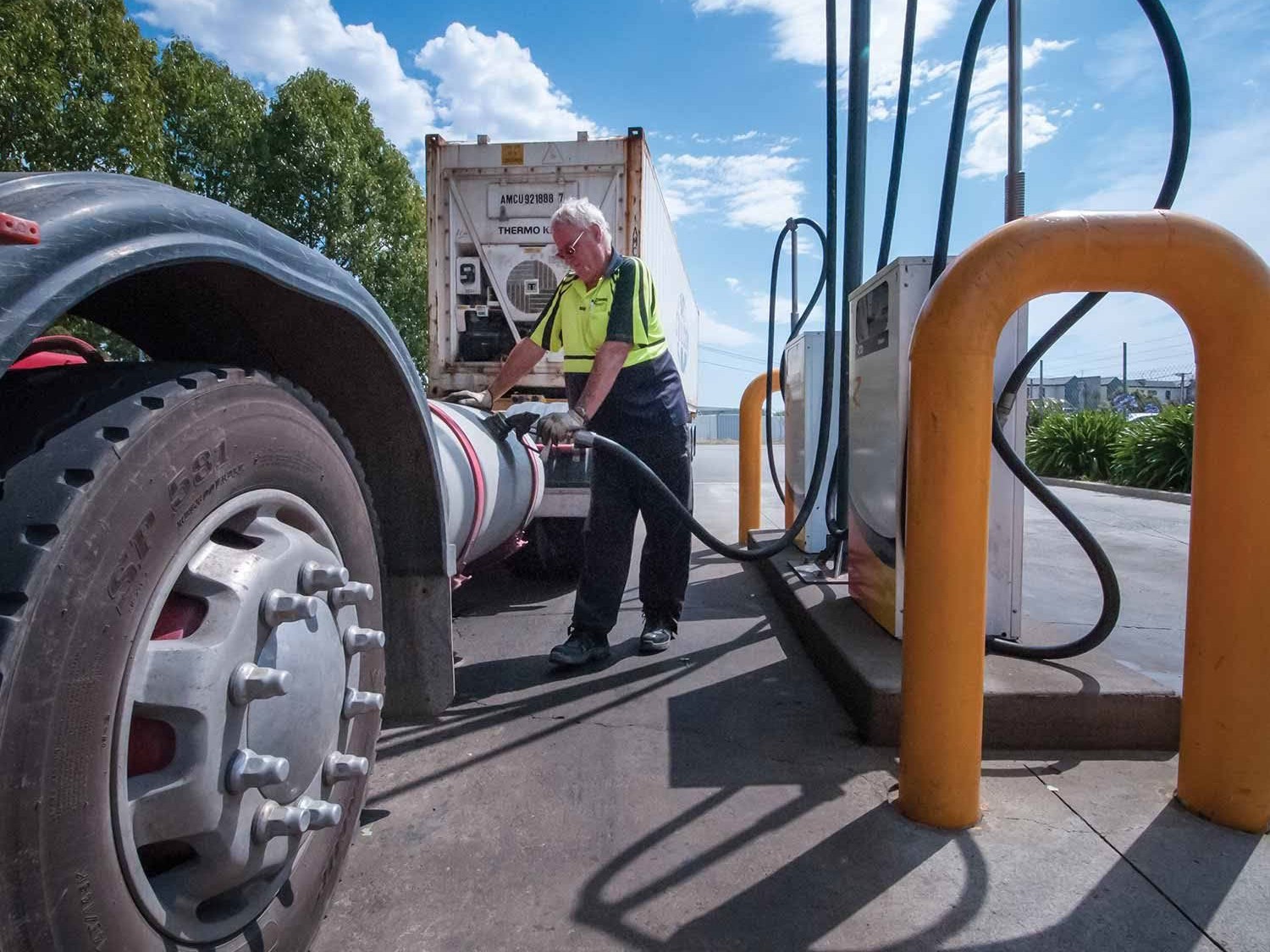
The price of Brent crude oil, the relevant benchmark for our refined fuel sources, has risen about 18% or US$13/barrel in the past week, to around US$85/barrel, although we’re yet to see that flow through to pump prices. As a rough rule of thumb, a $1 increase in oil prices equates to a 1 cent per litre (cpl) increase in pump prices. Westpac modelling suggests oil prices could surge to US$130/barrel if the Strait of Hormuz remains closed for a month, with pump prices possibly rising 20-30cpl in coming weeks. Inevitably, this will flow into freight costs.
We have been here before though, when Brent oil prices hit US$120/barrel as recently as June 2022 (and peaked at a record high of US$147.50/barrel in July 2008). At that time in 2022, petrol prices breached $3/litre for the first time (reaching $3.32 for 95 octane), with diesel hitting $2.99/litre (compared to an average retail price of $1.86/litre today).
How much could oil prices rise? The first oil shock, way back in 1973, saw oil prices treble, albeit from a low base. The second oil shock in 1979 (which triggered the ‘carless days’ here) saw oil prices rise 71%, but there have been plenty of other price spikes since then due to geopolitical events. Most recently, the Russian invasion of Ukraine saw oil prices jump 72%. Average them all out, and oil prices tend to rise about 51% in the aftermath of some crisis in the Middle East.
Further concern is that an ongoing blockage of the Strait of Hormuz could constrain oil supplies and in turn refined fuel. Meanwhile, the Chinese government has ordered its refineries to halt exports of refined fuel, not that NZ sources any from there. Fuel importers are required to have a minimum of 28 days supply of petrol on hand in New Zealand, 24 days’ worth of jet fuel, and 21 days supply of diesel. That doesn’t include fuel being shipped here, which MBIE estimates at 29 days’ worth of diesel alone. The domestic stockholding mandate for diesel will rise to 28 days from July 2028, something Transporting New Zealand supported, given that 70% of diesel is used by the transport sector.
On top of that, as a member of the International Energy Agency, New Zealand is required to hold at least 90 days of oil stocks precisely in case of some sort of global supply emergency. That figure includes the domestic refined fuel stocks, with the balance being covered by “oil tickets” or agreements with several other countries to hold oil stocks on our behalf. It’s yet to be proven, in the event of a global oil supply shortage, that those contracts will be honoured. But with previous geopolitical conflicts, like the US invasions of Iraq, that scenario has never eventuated.