As we head towards winter, New Zealand’s 30,000 truck drivers will be driving in colder, darker, and wetter conditions. We’re sharing seven top tips from our friends at TR Group for safe winter truck driving.
- Look after yourself first
Winter driving can be fatiguing, even more so when increased concentration is required. Be aware of the signs that you are getting tired and pull over. Rest, stretch your legs, get something to eat, and make sure you’re well-rested before hitting the road again. Taking necessary and frequent breaks can make an enormous difference.
Drivers should also carry warm clothes, a blanket, and extra food and water to stay fed and hydrated. You never know when roads may close due to snow, slips, or treacherous conditions, so it’s best you’re prepared.
- Do a pre-trip vehicle check
Before hitting the road, make sure your truck is prepared for any changes in the weather and road conditions. Check the truck’s battery, brakes, tyres, and lights – ensure the vehicle is clean and free from snow or mud, especially your windows and mirrors as they are key for visibility. Install snow chains on your tyres when necessary.
- Plan your route
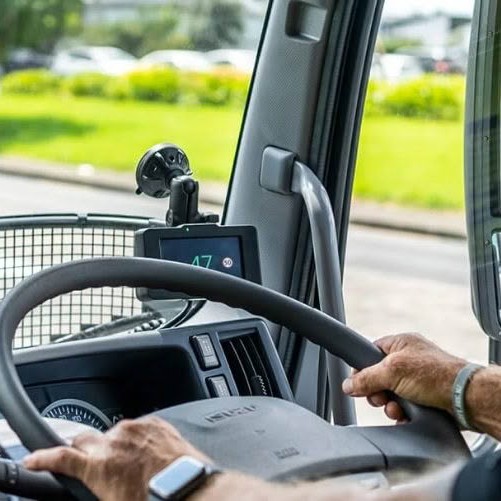
Winter weather can be unpredictable, so plan your route and check the weather forecast regularly. Avoid routes with steep hills or narrow roads, if possible. If you’re driving on unfamiliar roads, use a GPS to navigate and see areas to avoid and get weather warnings and potential road closures.
- Slow down
Reduced visibility, icy and snowy roads, and changing weather conditions make it difficult to drive safely in winter. Slow down and maintain a safe following distance from other vehicles. Keep a close eye on other road users and remember to adjust your speed accordingly.
- See and be seen
Visibility can be difficult and simply making sure that the window washer fluid is full can go a long way. Keeping your windows and mirrors clean also improves visibility, as well as making sure that your wipers are in good condition. Polarised sunglasses can also help reduce glare off wet roads and windscreens.
It also goes the other way around – you’re safer when you’re seen. Make sure your headlights are clean and free of snow, ice, or mud and use them efficiently to increase your visibility to other road users – even during the day if necessary.
- Be mindful of your tyres
With increased water and potential ice and snow on the roads, tyre pressures and tread depth are important to monitor since tyres are the only thing that grips the road. Remember to check your tyre pressures when they are cold and that your tyres are up to standard.
- Drive defensively
Winter weather can make driving conditions hazardous. Drive defensively, keep an eye out for other vehicles, and anticipate potential hazards.
You can read more from TR Group here.
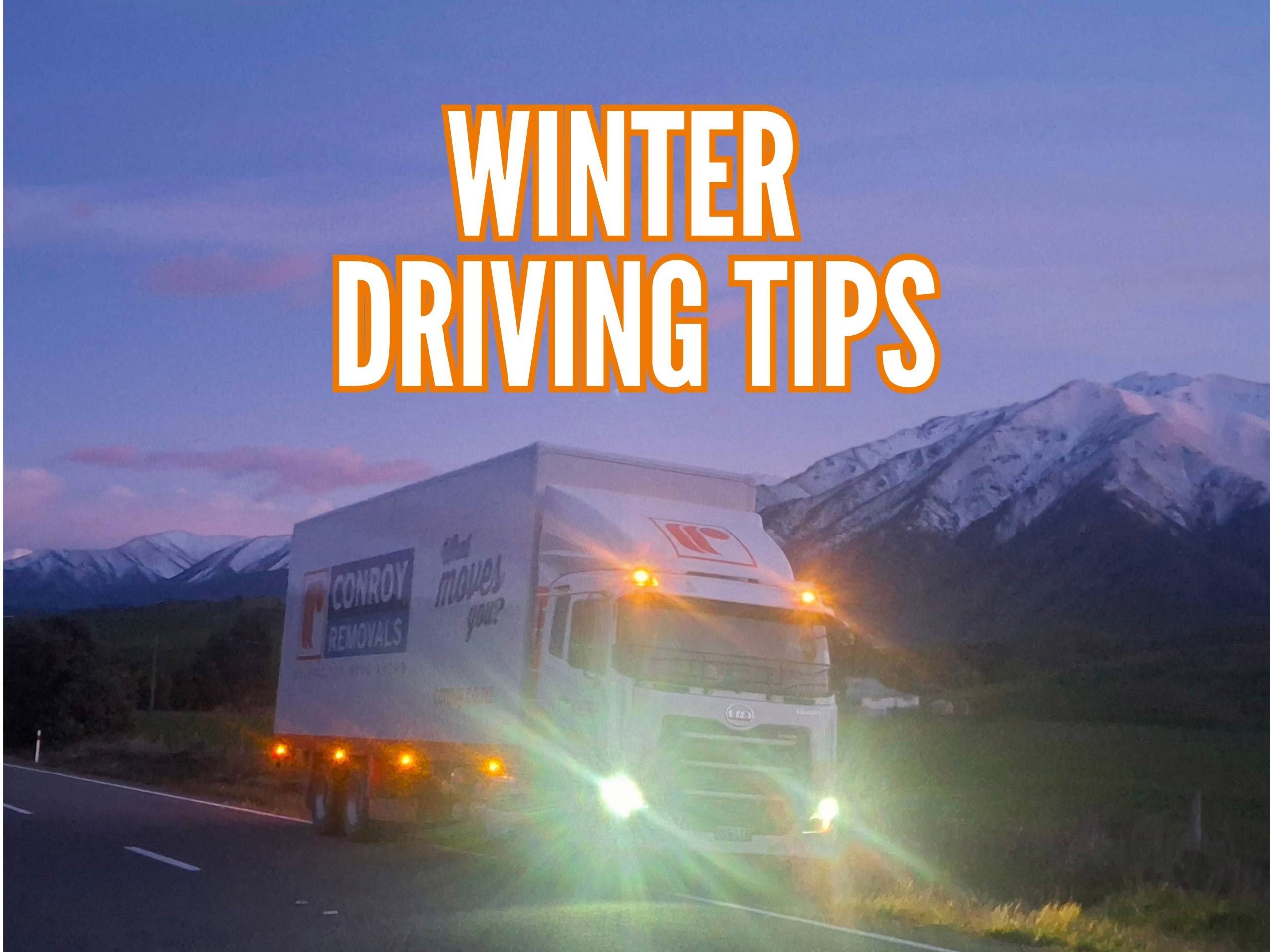
Thanks to the team at Conroy Group for the truck image!