
The intangibles
The intangibles
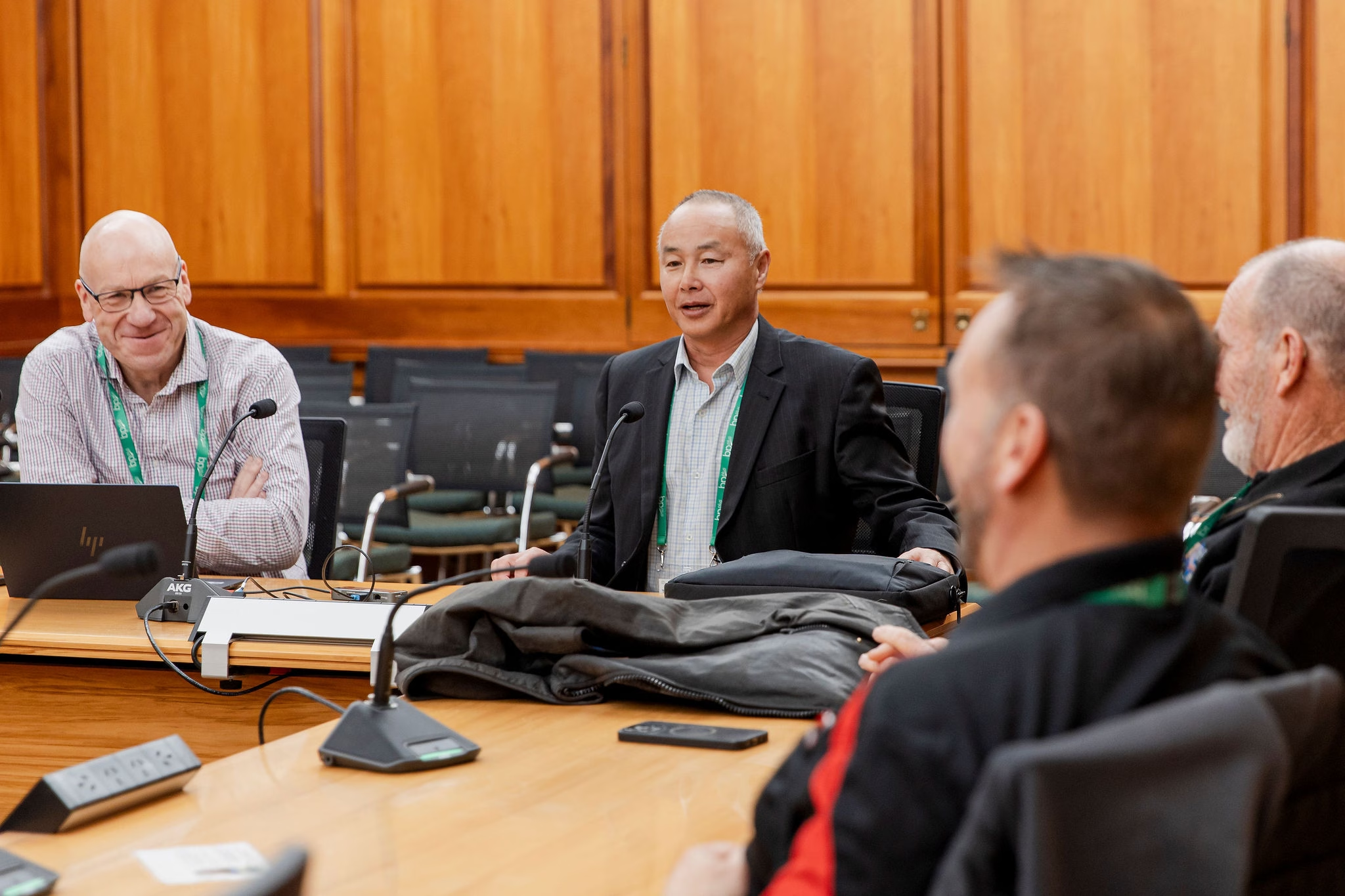
One of the highlights for me this week was joining a panel at the New Zealand Cargo Owners Council AGM to discuss building freight resilience in an uncertain world. It was a multi-modal panel representing rail, shipping, and ports.
I like engaging in these discussions because it’s a great opportunity to better understand what matters to other parts of the supply chain.
The first part of the conversation recognised that our supply chains are pretty resilient, albeit more often a result of reactive, rather than proactive measures and risk mitigation controls. Consider the earthquakes in Christchurch and Kaikōura, COVID, and more recently the volatility with fuel; by and large we’ve come through those shocks pretty well.
But it’s a good thing that the group wants to improve and see what more can be done. Two areas were discussed as major opportunities here; collaboration and productivity.
I think there was a good consensus that there’s value in better collaboration.
The discussion around productivity was interesting because complexity accommodating the different needs and desires of various supply chain parties was quickly demonstrated. For example, the types of vehicles that come into Ports impact their turnaround times, and more traffic being pushed outside of normal business hours is also desirable.
Meeting those desires would mean more drivers working at antisocial hours, which has a flow-on effect on the attractiveness of a truck driving career. There’s also a need for customer depots and personnel being available to manage inboard and outboard goods.
This forum wasn’t about trying to solve any specific issues, but it was valuable in showing how each player has their own goals, desires, strengths, constraints and challenges. I think achieving a more optimal solution is about respecting each other’s needs and pursuing a better system-level balance of those factors.
I also took away a strong sense that there are a lot of known constraints; we don’t need more research and data to make a call on what needs to be done, particularly in the regulatory space. We need to stop waiting. The Government needs to make some tough calls, especially around road funding. Delaying decisions and actions is only making things even harder in the future.
The day ended with an evening event at Parliament with Associate Transport Minister James Meager speaking. My takeout from Minister Meager’s closing comment was that price doesn’t always equate to value.
Commercial rates, whether they be $/km or $/tonne or any other pricing metric are one thing, but they typically won’t reflect the value that some suppliers will bring to communities in other ways. For example, companies are often heavily involved in their communities, from sponsoring the local rugby club or supporting school events.
The important value that local companies bring through those channels is often not reflected in their rates and consequently, there’s a risk they’ll suffer in a highly competitive commercial market.
At a broader level I think there’s a widening gap between expectations of service levels and willingness to pay. That’s a growing risk for our sector.



Didn’t get this by email?
Stay in the loop on the latest road transport news with our weekly Dispatch newsletter, delivered to your inbox every Friday morning.