
Road safety missing from party policies
Road freight association Transporting New Zealand is calling on political parties to back three practical measures targeting distracted driving, seatbelt non-compliance and drug-impaired driving.
The call follows the release of the AA Road Safety Review 2026, which brings together crash statistics and research from the past decade to identify ways to reduce deaths and serious injuries on our roads.
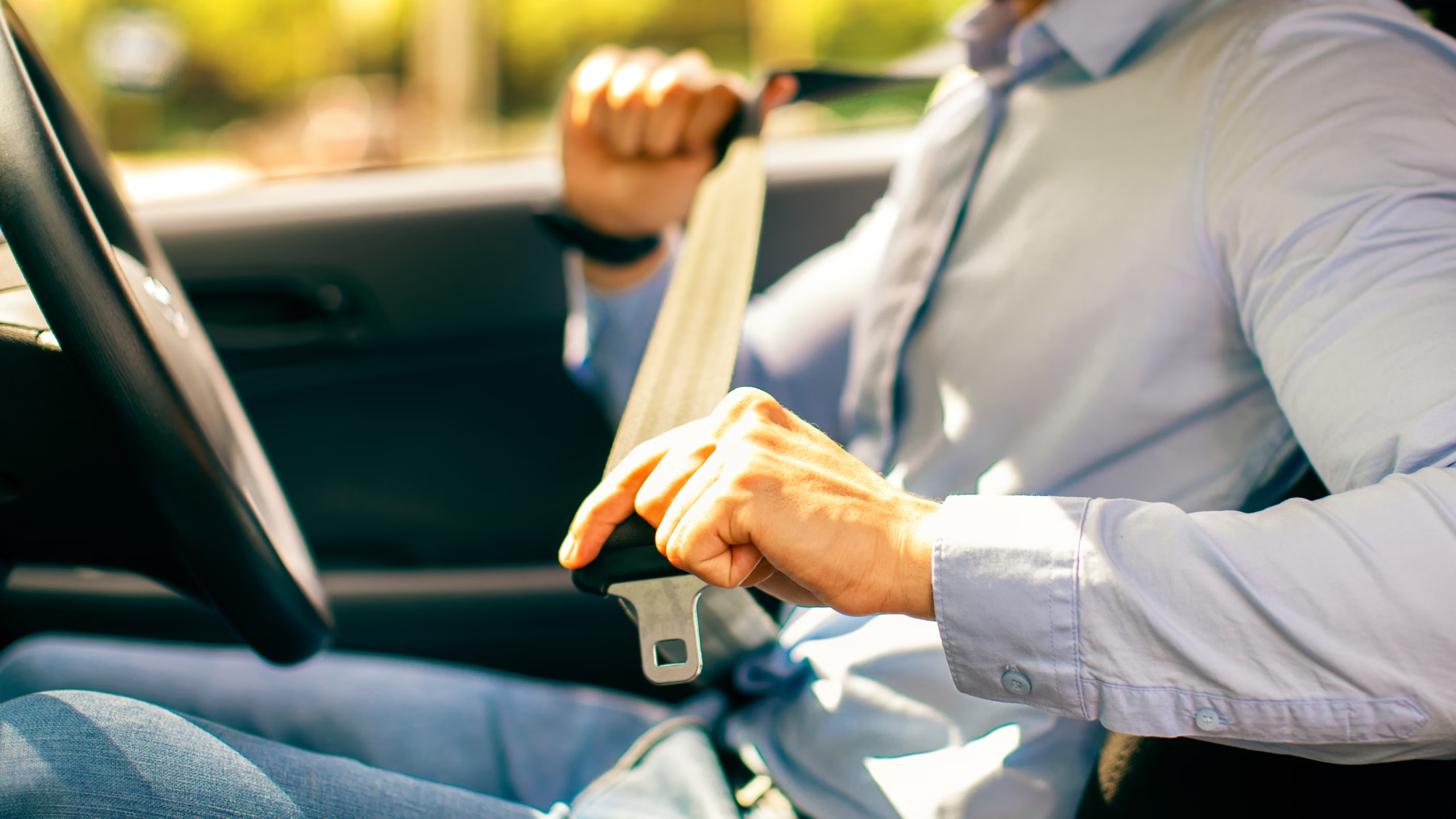
“While our road toll has been gradually falling there is more our Government could be doing to improve road safety, like cracking down on handheld cellphone use, and vehicle occupants not wearing seatbelts,” says Transporting New Zealand Policy and Advocacy Advisor Mark Stockdale.
“Incredibly, over a quarter of road deaths last year involved people not wearing a seatbelt, whilst around 5 percent of deaths and serious injuries are attributed to distraction from cellphone use, although this behaviour is likely to be under-reported if observations by truckies are anything to go by,” Stockdale says.
The AA Road Safety Review 2026 reports that one in five drivers admit to looking at messages on their phone whilst driving within the last month, whilst nearly one in ten admit to not wearing a seatbelt.
“Yet we have the technology to enforce this now. In other countries like Australia, the safety cameras are used to monitor seatbelt and cellphone use, in addition to speeding and red light running. Our cameras have this ability too, but currently aren’t used to enforce these,” Stockdale added.
Transporting New Zealand’s election platform is calling for parties to support three road safety measures:
- expand the safety-camera network to detect illegal handheld cellphone use and seatbelt offences;
- increase penalties and enforcement against repeat cellphone and seatbelt offenders; and
- increase random roadside drug testing from 50,000 to 150,000 tests a year.
While New Zealand has only recently introduced random roadside drug testing, the volumes are tiny in comparison to breath alcohol testing.
“Police conduct around four million breath-alcohol tests each year, but plan only 50,000 roadside drug tests. Yet drug-impaired driving is involved in more fatal crashes than alcohol-impaired driving. The enforcement effort needs to reflect the scale of the risk.”
“That’s why our election platform is also calling for a trebling of random roadside drug tests to 150,000 per year, which is on a par with the number of tests conducted in similar-sized states in Australia,” Stockdale added.



Didn’t get this by email?
Stay in the loop on the latest road transport news with our weekly Dispatch newsletter, delivered to your inbox every Friday morning.