
Hawke’s Bay livestock carriers frustrated by rejection of truck stop plans
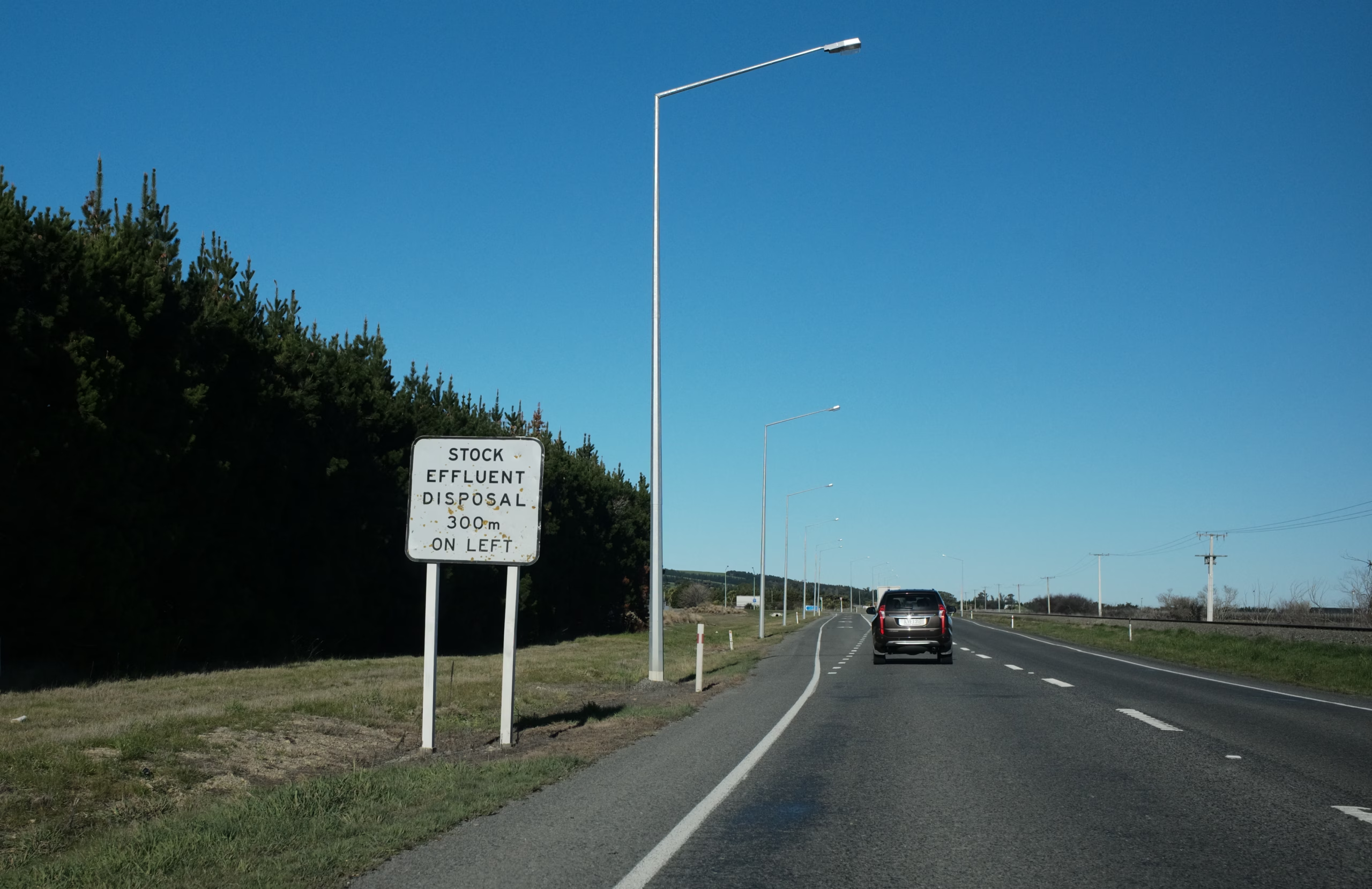
Hawke’s Bay livestock transport operators are voicing their frustration at the rejection of resource consent for a truck stop and service station hub in Twyford on the Heretaunga Plains.
The National Livestock Transport & Safety Council, administered by Transporting New Zealand, which represents livestock carriers across the country, says the consent application for the multi-purpose service hub included much-needed stock effluent disposal facilities.
“While we acknowledge the decision by the hearing panel, the problem for livestock carriers doesn’t go away,” says NLT&SC chair Derek Foley. “There are a number of livestock carriers in the Hawke’s Bay servicing the east coast region and across to Manawatū and Wairarapa, and we need suitable stock effluent facilities. There simply aren’t enough in the region, and if we can’t offload at dedicated sites like the one proposed, then the effluent may be dumped on the road once the onboard tanks overflow, and that creates a problem for all other road users.
“Livestock carriers don’t want to do that, but we’re between a rock and a hard place. There were meant to be plans for more stock effluent facilities across the State Highway network, but these have stalled. This facility at Twyford would have helped livestock carriers, so it’s disappointing the benefits of the proposed facility have not been fully appreciated,” Foley said.
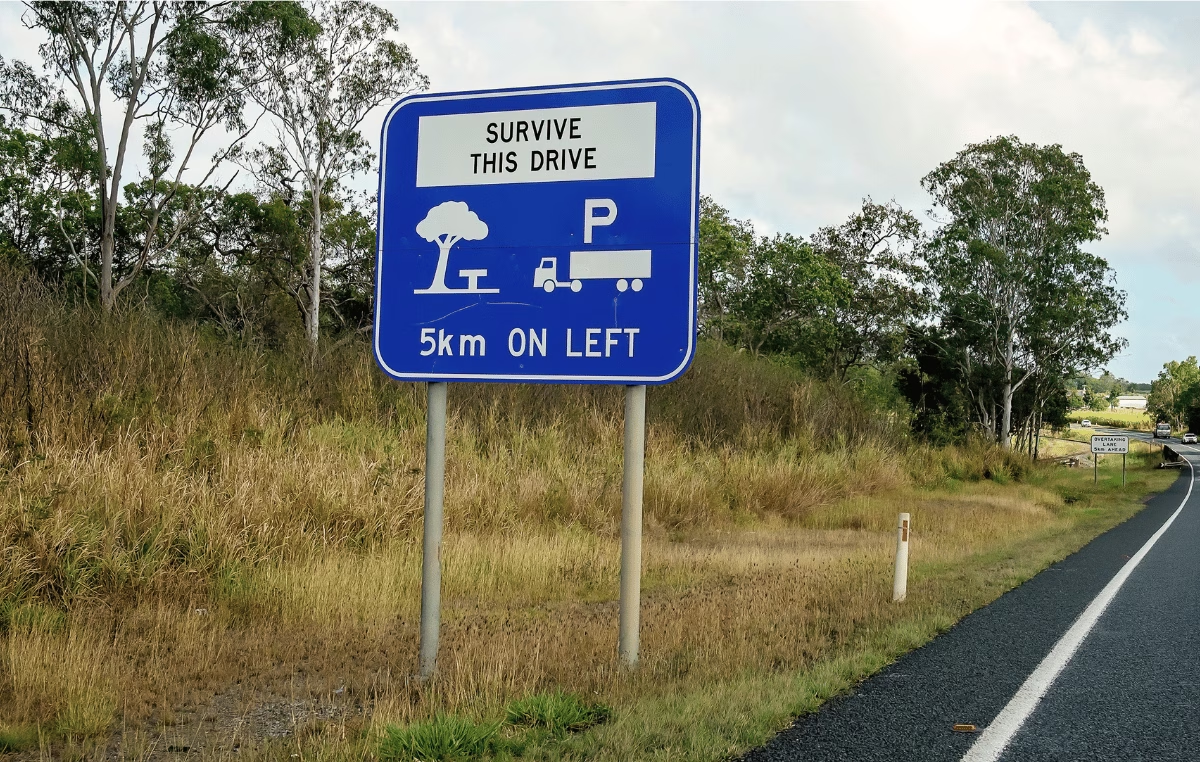
Foley says New Zealand needs more rest stop and service facilities that can safely accommodate trucks, with toilets and other basic services available to drivers. The need for such a facility prompted a search for suitable locations along the State Highway 2 corridor through central Hawke’s Bay, with the proposed site at Twyford identified as meeting that critical need for truck rest stop and service facilities on the route.
Mr Foley added that the need for stock effluent dump facilities is made worse by the fact that not all farmers stand stock off pasture for the minimum amount of time to limit the amount of effluent stock will produce in-transit.
“It’s livestock carriers who get blamed for dumping effluent on the road, and even punished with fines, yet they did not cause stock to be full, nor are they responsible for the failure to permit stock effluent disposal facilities. It’s a lose-lose for livestock carriers,” Foley added.
For more information please contact:
Derek Foley, Chair, National Livestock Transport & Safety Council, 027 570 8470 or email chair@nltsc.nz
Mark Stockdale, Policy & Advocacy Advisor, Ia Ara Aotearoa Transporting New Zealand (NLT&SC secretary), 021 434 097 or email mark@transporting.nz

Didn’t get this by email?
Stay in the loop on the latest road transport news with our weekly Dispatch newsletter, delivered to your inbox every Friday morning.