
“Road transport is fundamental to New Zealand’s economy; the investment in our roading network and infrastructure is an investment in productivity and prosperity.”
Murray Young is the general manager of NZE, based in Christchurch, as well as being a Transporting New Zealand board member. We asked him what he thinks are some of the main challenges and opportunities for road transport.
The road transport sector is facing pressing challenges, some old, some new, such as workforce shortages, rising operational costs, margin pressure, productivity constraints, systems that add financial and administrative costs without improving productivity, and the lack of infrastructure investment.
We need to improve the effectiveness of the Chain of Responsibility in New Zealand to ensure all parties are equally responsible for non-compliance from those consigning the goods to those receiving the goods; everybody in the chain needs to be accountable.
The entry criteria to obtain and retain a TSL allowing you to operate a transport business needs to be reviewed to ensure the holders are meeting their responsibilities, complying with laws that apply right down to making sure they have off-street approved parking for their vehicle, or vehicles, before being issued with a TSL. It’s not good for our industry image to use the side of the road as a truck park, or to be flouting the law.
As an industry, we have a proud history of doing the right thing and being professional. We need to maintain those standards because, if we don’t, then our industry will be undermined and in time undervalued.
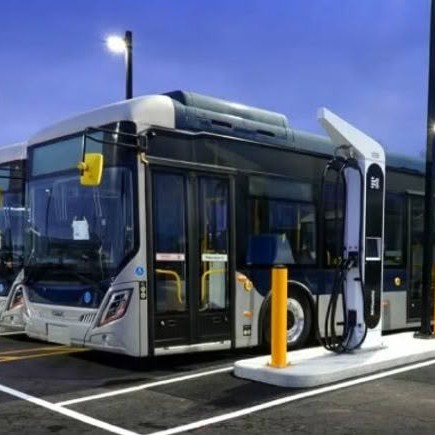
At the same time, there are significant opportunities in embracing technology to improve supply chain resilience, identifying potential HPMV routes, and moving towards lower-emission transport solutions which in time to come will mean road transport will have an environmental advantage over alternative modes.
We can use technology to quantify the activity on all routes to ensure the RUC revenue being recovered from these routes is being reinvested in their upkeep and improvement.
I think with cohesive and effective industry coordination, advocacy, and appropriate policies, we can turn today’s pressures into tomorrow’s progress.
Challenges:
Our challenges are shared challenges, such as the consequences of a lack of investment in roading infrastructure for current and future freight needs. The result is not just an inconvenience, it’s a barrier to economic and productivity growth. The ripple effect of these inefficiencies is felt across every sector, directly impacting businesses, consumers, and the economy.
Without a reliable road network, challenges would arise in getting our primary products to overseas markets, not a single tonne of freight would move on rail, and essential supplies required to run hospitals and fill supermarkets shelves wouldn’t happen.
Road transport is fundamental to New Zealand’s economy; the investment in our roading network and infrastructure is an investment in productivity and prosperity.
We need to adopt a model where the pipeline of major infrastructure projects isn’t changed when governments change. This would allow NZ Inc to maintain and develop its infrastructure resources. Any new government could add to the pipeline of projects but couldn’t renege on previous government decisions and commitments made to the industry.
Congestion
Freight movements should be exempt from any form of congestion or time-of-use charge; we are already paying our access way with RUCs and local body fuel tax. Additional charges in time tend to get absorbed into our freight rates, and if not passed onto the consumer, then they will result in our margins being eroded further.
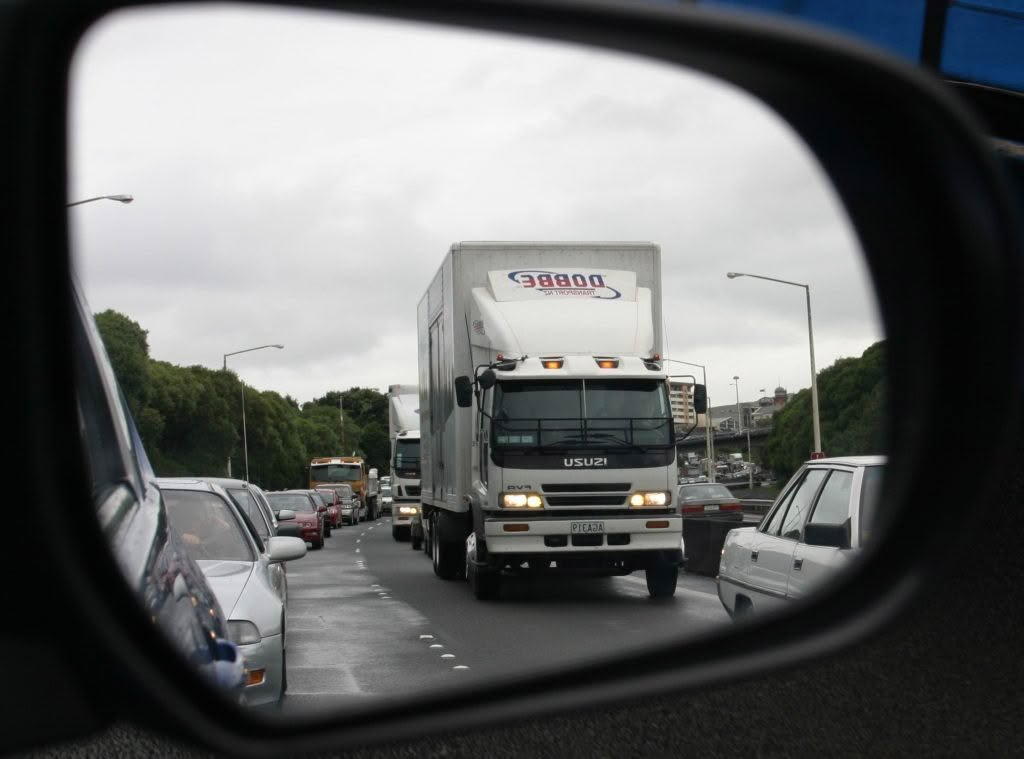
We should do all we can to improve productivity at the least cost to industry. We all notice the reduced congestion during the school holidays. This confirms that reducing light vehicle fleet movements at critical times is an easy way to improve productivity, reduce our carbon footprint, and improve safety.
As an industry, we are already doing what we can with out of hours, weekend deliveries, and phased start times. When you look at the main congestions times during the day, 95 per cent of the traffic is light single passenger vehicles, so perhaps that is where we start to look for solutions or alternative forms of revenue. Or are we an easy target to collect revenue?
Why is ‘one voice’ for the industry desirable? Is it happening?
In short, it’s not happening as well as it could, and I would prefer to describe it as a cohesive voice for the industry.
In today’s fast-moving political and economic environment, the ability of the transport industry to advocate effectively has never been more important. Yet, despite our shared challenges, the sector continues to struggle with fragmented representation.
It’s not a question of effort; across the country, industry associations are working hard to support their members, push for reforms, and engage with government; but with so many groups speaking to the same stakeholders, often from different angles and with differing priorities, our collective message is being diluted. That makes it harder for decision-makers to engage meaningfully with us, and it weakens our ability to influence outcomes that affect us all.
There was a time when the government knew exactly who to call to understand the position of the transport sector. That clarity gave our industry weight at the table, not because everyone always agreed, but because the messages were coordinated, considered, credible, and more importantly, they were consistent. Today, that kind of cohesion is missing. Instead, ministers and officials hear multiple views from different associations, and the result may lead to confusion, delays, or missed opportunities.
If we want our influence back, if we want to shape the future of transport rather than just respond to it, we need to focus on moving in the same direction and that starts with finding common ground; the big issues affect us all. When we take the time to align shared goals, we build a stronger foundation for advocacy. It also means strengthening collaboration, working together behind the scenes, sharing information, and supporting a joint approach on key issues showing professionalism and unity.
And finally, it requires consistency. Whether we’re speaking to media, meeting with ministers, or making submissions, or talking around the barbecue, we need to front up with a clear, consistent message; one that reflects the breadth of the industry, not just individual interests.
When all voices come together on that, we’re not just easier to engage with, we’re harder to ignore. We can make a meaningful difference to industry today, and sustainability for future generations.
What are the benefits of 50MAX and HPMV for customers and your business? (For example, efficiency, lower emissions, safety.)
The increased payloads of 50MAX and HPMV trucks improve productivity, with economic benefits for producers, customers, and NZ Inc. Allowing HPMV trucks on our roads reduces the number of truck trips needed to move the same amount of freight, reducing congestions, emissions, and improving safety. The economic gains have benefited every New Zealander as they made NZ much more competitive. When taking our product to the global markets, we can no longer deliver our primary products to port on the back of a horse and cart if we want New Zealand to grow and provide the social benefits that New Zealander’s expect.
What specific changes would you like to see? (For example, 50MAX the new standard, general access, longer trailer lengths, greater frequency for HPMV/50MAX permits)?
We need general access for 50MAX HPMV combinations, eliminate the one truck-one route permitting model, and review permitting costs – for example, why is an overlength permit charge the dearest permit fee, when it is probably the easiest permit to issue and in time hopefully a privatised permitting entity?
We could make it easier on ourselves by adopting (VDAM) vehicle axle weight configurations from other righthand drive jurisdictions. This would reduce capital costs and at the same time be able to adopt carbon-reducing technology already being developed for these markets without penalising payload, productivity, and profitability.
Quad axle weights for import/export containers could be raised to allow to use the full VAI 1.1 allowed, as is the case with tri-axle semi-trailers. Currently, a tri-axle can be permitted up to 21,780kg for an ISO container permit, which is 7,260kg per axle spread over 3m. With a quad, it is currently only allowed 22,000kg. The point here is the quad set group is spread over 4m and should be allowed to go up to 24,000kg. That is still only 6,000kg per axle. It is a simple productivity gain without adding costs or exposing the roading network to axle loads above exiting individual limits.
We should be lobbying for increased length and height across all sectors where possible. The stock sector would benefit from a slight increase in height, as it would assist with animal welfare. Container cartage combinations could double stack empties on specific routes, and trailer length could be increased for general freight combinations. These measures would all improve productivity with very little additional cost.
What do you think of the Cook Strait ferry decision (or lack of decision)? What needs to be done?
It’s essential that the Cook Straight ferries are replaced; it’s not essential they need to be rail enabled. If the taxpayer was fully aware of the total costs and the revenue generated from the rail freight activity, they too would suggest it’s not essential that the new ferries are rail enabled, or even government-owned. In fact, rail freight isn’t in the just-in-time market, if its needed just in time or urgently, it moves by road.
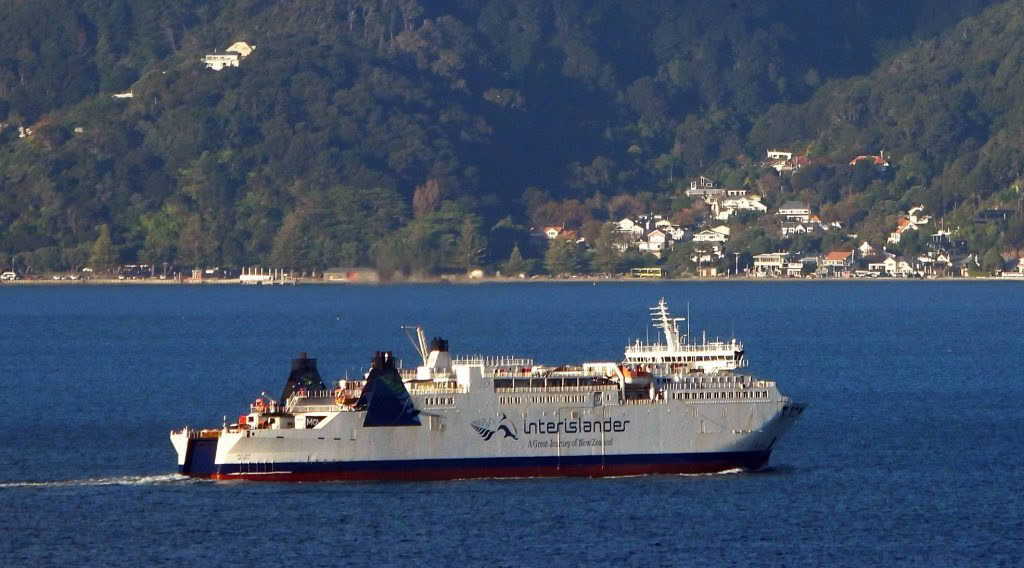
The travelling public, tourists, and commercial freight operators have the same requirements: The ferry service must be safe, reliable, and competitively priced.
The current Cook Strait ferry situation reflects failure in leadership and decision-making. The obvious and overdue solution is to replace New Zealand’s aging ferry assets. Action surrounding this has been delayed for a decade due to political interference, poor governance, and a lack of commercial pragmatism. Despite significant public spending, there has been little progress to show over the last 10 years, and it may be another five years before new vessels arrive.
The MAG group’s commercially sound proposal was ignored along with expert advice and overseas trends. The decision made reinforces the inefficiency of government-led procurement in this context. KiwiRail, unlike other SOEs such as Air New Zealand, operates under excessive ministerial oversight and levels of bureaucracy that hampers timely commercial decision-making.
Globally, ferry services are run very efficiently by the private sector. New Zealand should follow suit, focusing government investment on essential services like health, education, and the Police.
The success of Jim Barker and the introduction of Bluebridge shows that an independent commercial competitor delivers better outcomes for passengers and freight alike, without a taxpayer subsidy. Before Bluebridge, stock was difficult to move between islands and you were never quite sure if the ferries would be operating during Christmas and Easter.
Post the Christchurch and Kaikoura earthquakes, the freight landscape has evolved with increased warehousing and direct importing. Most of the freight moving between islands is road-based and self-loading, with no need for rail-specific infrastructure. Insisting on rail-enabled ferries introduces unnecessary cost, complexity, seismic vulnerability, and locks New Zealand into a bespoke system that lacks flexibility.
For the next four years we will be totally reliant on a road bridging solution. This model has worked effectively in the past, and offers real flexibility in prioritising one consignment over another, especially if the sailings have been cancelled. In the future, when the new rail- enabled ferries arrive, KiwiRail will still need the option of road bridging to mitigate the risk associated with a rail-enabled ferry being offline for survey or the like. Essentially, the taxpayer will continue to fund the road bridging model even after the arrival of the new ferries.
A commercial model such as leasing standard RORO vessels, co-sharing infrastructure, and avoiding taxpayer burden would have delivered a more sustainable and scalable solution.
The rail network itself would have had a lift in productivity as the trains and rolling stock would remain in the respective islands operating with increased efficiency. Instead, the decision has squandered a generational opportunity. Without having the courage to reform the existing model, we risk repeating this cycle in 20 to 30 years, leaving the road freight sector to pivot once again and the future taxpayers to bear the cost.
The Christchurch City Council is considering changing the rules around container yards and industrial activities (proximity to residential areas, noise, etc.) What is your response?
I support thoughtful planning that balances industrial activity with community well-being, but any changes must recognise the essential role the supply chain plays in a functioning productive economy. Container yards and freight hubs are critical pieces of infrastructure, and their location decisions must be based on operational feasibility as well as urban harmony. Genuine collaboration between industry and council is key to finding practical, long-term solutions rather than imposed legislation.
What do you love about your job? How do you get to relax?
I love working in an industry that keeps New Zealand moving, that’s real, and has a role for everyone who is prepared to front up and work hard. Every day brings a new challenge; it’s like piecing together a giant jigsaw puzzle with the opportunity to make a real impact.
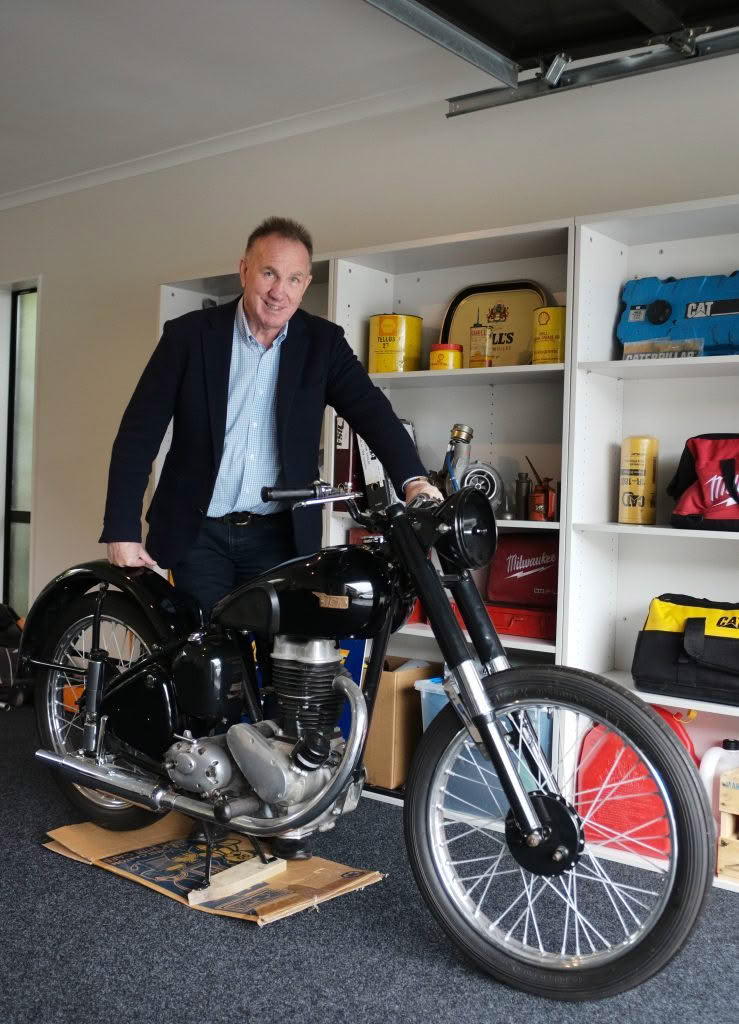
Outside of work, I unwind by spending time with family, enjoy keeping fit, restoring an old BSA motorbike, and driving an electric car that offsets my carbon footprint so in the future there will be enough petrol left to fill the tank of my V8 Falcon.
This story was originally published in Transporting News – July 2025 edition.