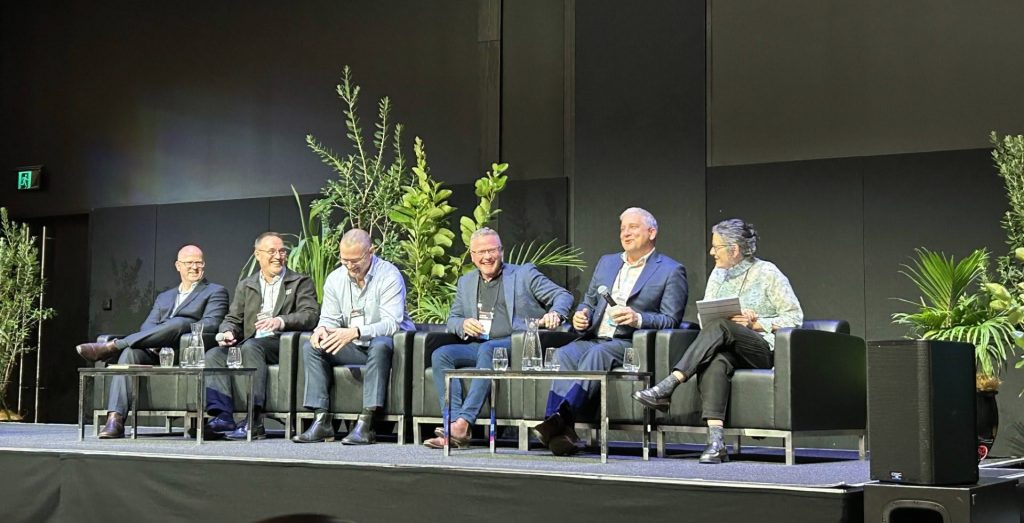
The leaders of several trucking companies attended the third international H2 2 ZERO Summit, at the Takina Convention Centre, in Wellington, in May 2025. The summit addressed the future potential and current reality of powering the nation’s freight task with hydrogen.
Acknowledging that heavy vehicles are the backbone of New Zealand’s economy, Dr Linda Wright, of the Hydrogen Council, highlighted how the road freight sector is catalysing hydrogen infrastructure development. She then welcomed some of the space’s pioneers to the stage: Anthony Jones of HW Richardson, Brendan King of TR Group, Mike Parker from GBV, and Ben Kiddle of HDrive International, spoke alongside Andrew Clennett of Hiringa Energy, one of the leading national providers of hydrogen refuelling stations.
The hydrogen vision
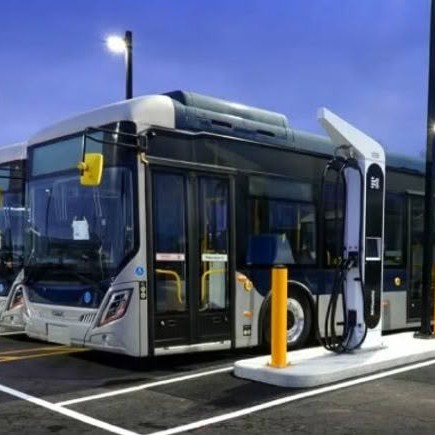
The panel extolled the benefits of hydrogen-powered HVs over battery-electric for long-haul, heavy-load journeys that require rapid refuelling.
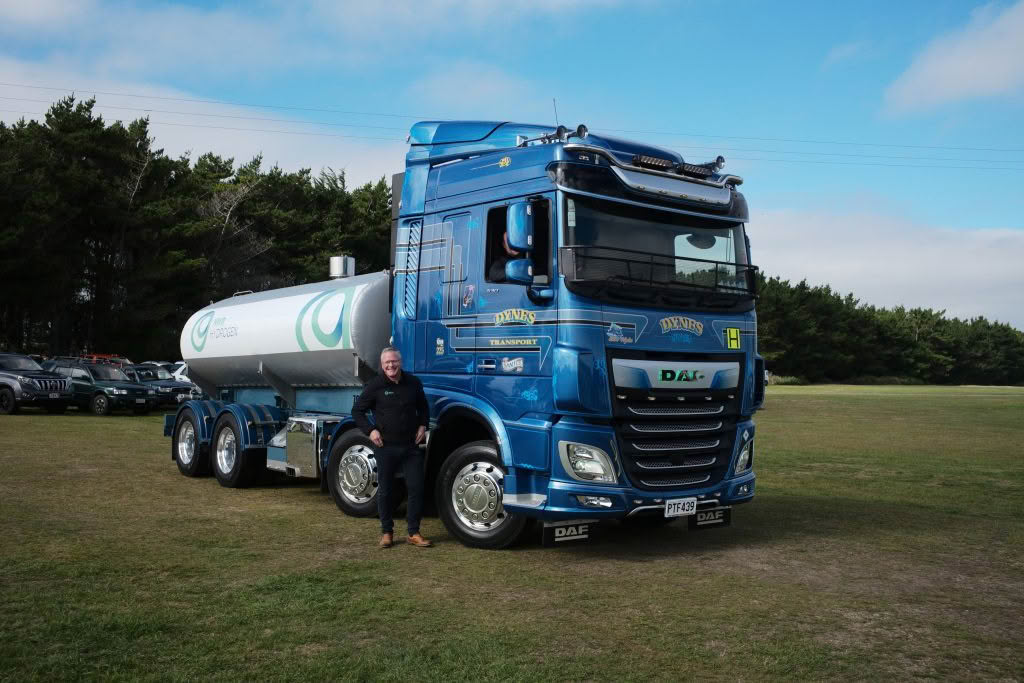
Anthony Jones, of “the biggest company you’ve never heard of”, Southland-based HW Richardson, explained how hydrogen systems can be retrofitted into existing diesel engines. These dual-fuel systems enable drivers to switch to diesel-only when hydrogen refuelling isn’t available, eliminating range anxiety. Jones said the systems are so simple that diesel mechanics can easily understand how it works, and with good maintenance they can last up to 20 years.
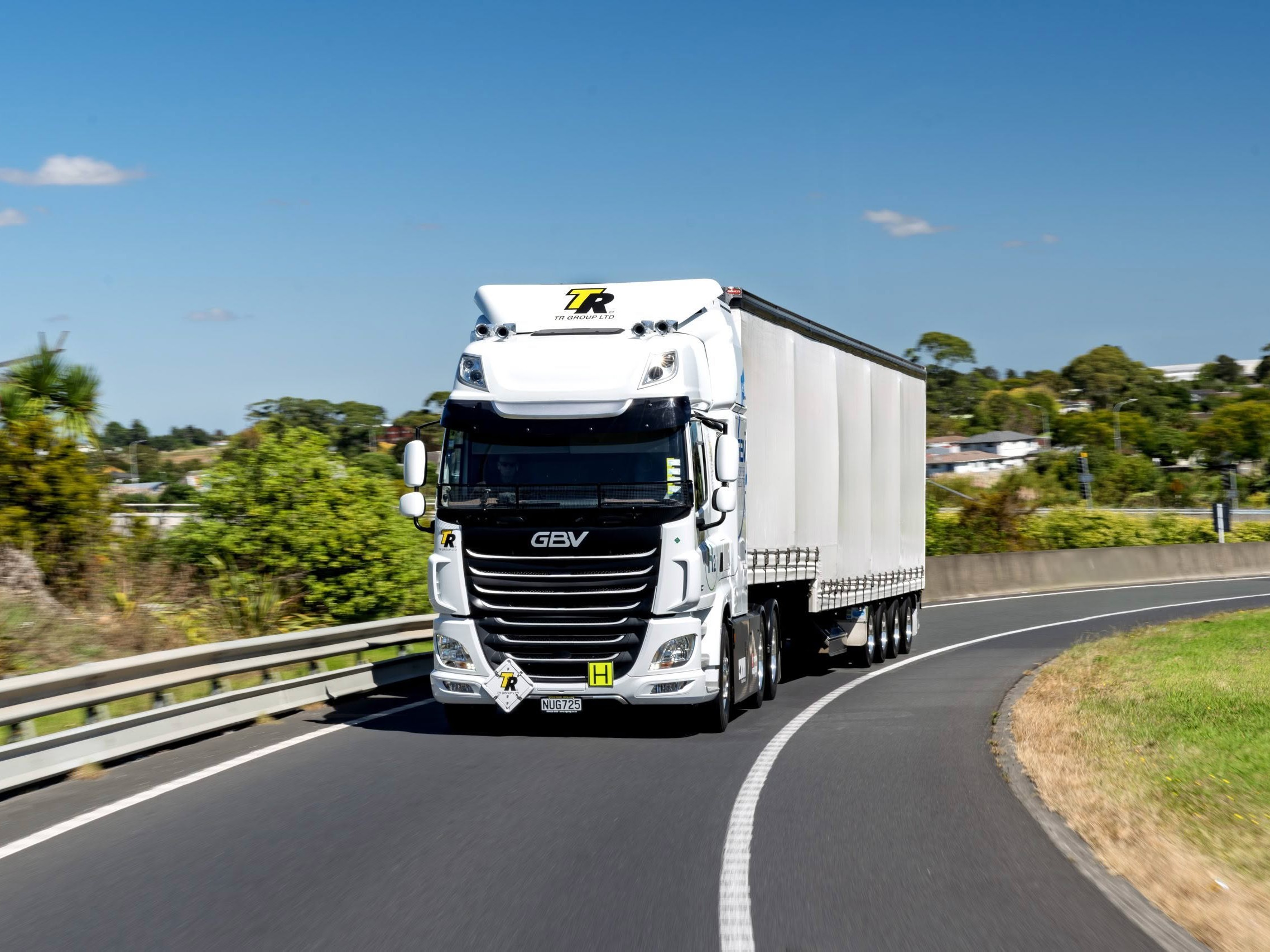
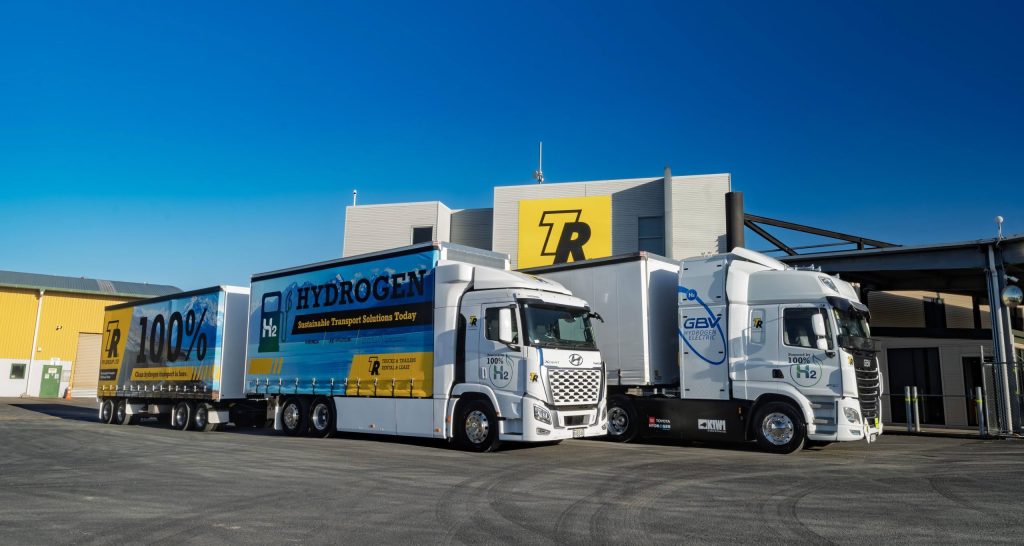
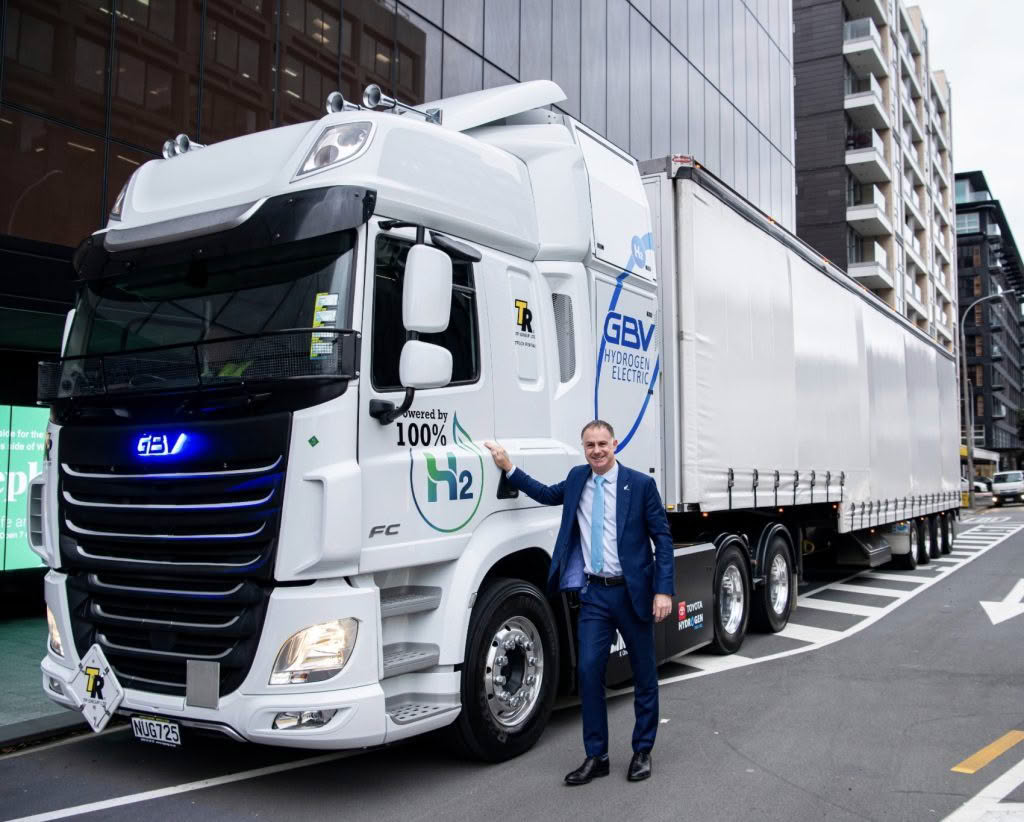
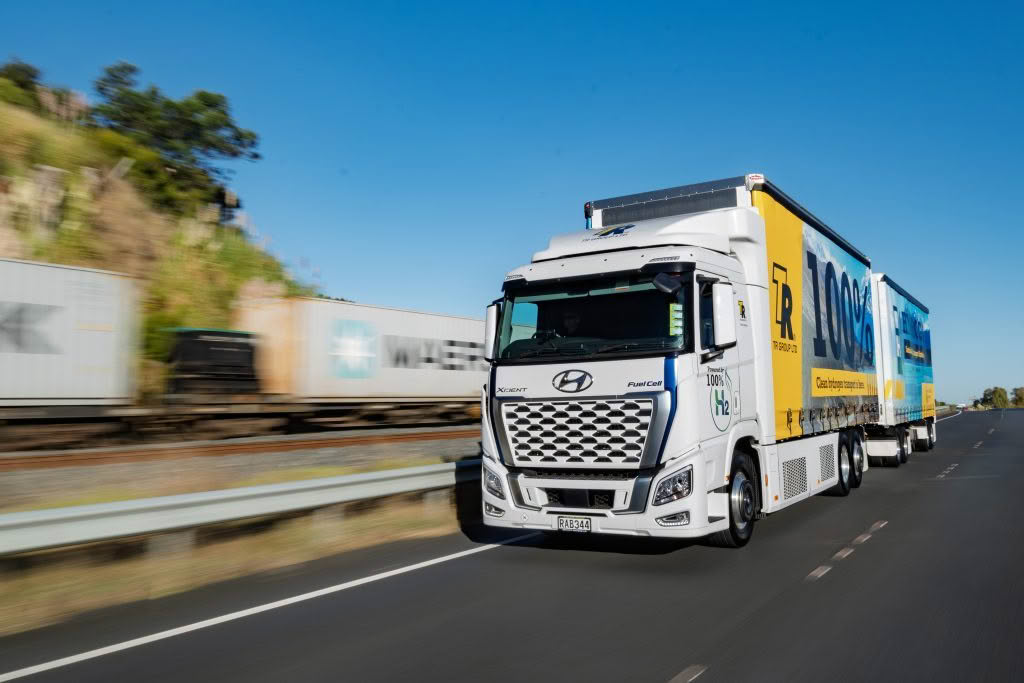
TR Group’s Brendan King also detailed his company’s hydrogen journey, which hasn’t always been easy. Covid brought delays and escalating costs, and the unexpected closure of an American hydrogen truck supplier meant TR needed to look elsewhere. Luckily, Global Bus Ventures (GBV) and Hyundai were able to step in to supply 20 trucks between them in an ongoing project.
Ben Kiddle, of HDrive International, believes that innovation for the greater good is what New Zealand is known for, with hydrogen HVs being a natural next step after the eggbeater, electric fence, bungee jumping, and (maybe) Anzac biscuits. Having been in the hydrogen industry for about 20 years, Kiddle detailed its advantages over battery-electric vehicles (BEVs) in freight transportation. While BEVs currently have lower upfront and operating costs, hydrogen fuel-cell EVs (FCEVs) work better with operations requiring maximum uptime, like consistent long-haul, heavy load trips. BEVs also take significantly longer to refuel than FCEVs, though EV charging stations are more accessible at present.
However, as Jones pointed out, much of the heavy lifting has been done in terms of getting the technology operational and hydrogen-powered fleets are beginning to roll out across the world. He said that while businesses don’t technically need to do this, if they can, they should. “My challenge is out there to others who have a healthy balance sheet; work with the people up here who’ve already taken the risk,” he said, echoing a general sentiment across the panel that partnerships are the best way forward.
This panel discussion followed announcements by the Minister for Energy and Climate Change, Simon Watts, that the Low Emissions Heavy Vehicle Fund (LEHVF) has been “refreshed” to drive uptake. (The minister arrived at the conference in one of TR Group’s hydrogen trucks.) The fund’s eligibility criteria is expanding, with more vehicle classes and older vehicles now qualifying for a subsidy, alongside higher grant amounts. The actual size of the fund remains the same.
Two hydrogen-powered options are approved for funding under the scheme: the Hyundai Xcient FCEV and the Quantum H53. GBV and HW Richardson’s Change Fuel Technologies are approved to convert some diesel trucks into dual-fuel systems, a process that can only take a day and reduces operating emissions by up to 50%. So far, the cost of 28 trucks has been subsidised since the LEHVF opened last year, and the panel along with Transporting New Zealand would like to see this number grow.
Why transition?
Transport makes up 18% of New Zealand’s greenhouse gas emissions profile, and of that percentage road freight plays a disproportionate role. According to EECA (the Energy Efficiency and Conservation Authority), heavy vehicles are responsible for about a quarter of New Zealand’s road transport emissions, while only constituting 5% of the total vehicular fleet.
Decarbonising the sector has proven difficult, and speakers at the H2 2 Zero Summit were frank about the specific challenges of utilising hydrogen. Currently there’s just a handful of operational refuelling stations in the country, all in the North Island – although there are more on the horizon.
The other problem is cost. King, of TR Group, pointed out that green hydrogen is still over twice the price of diesel – prohibitively expensive for most businesses who are struggling to make ends meet in difficult economic conditions. The high price reflects the amount of renewable energy required to produce green hydrogen and the complexities of storing it. Such high costs would naturally have to be absorbed or offloaded to the customer, neither option being particularly appealing. However, there is an argument that some clients are willing to pay a premium for products and services with zero-emission credentials.
Our position
Transporting New Zealand supports the pursuit of emissions reduction across the nation’s fleet. We know that New Zealand operators will move to using fossil fuel-free alternatives once they are widely available, reliable, and affordable. While new technologies and infrastructure are developed, we would like to see greater investment in existing technology to help reduce transport’s environmental impact. Hydrogen injections into diesel engine systems are one such way to gradually transition to a lower-emission future for road freight.
A previous Government initiative temporarily exempted light EVs from paying RUCs until the threshold at which they constituted 2 per cent of the light vehicle fleet. Hybrids also continue to get a discounted rate. These exemptions and discounts have partially contributed to the exponential growth of registered EVs, which produce up to 90% fewer CO2 emissions over their lifetime compared to an equivalent petrol car. While we generally support all vehicles contributing to road maintenance, given there are so few low-emission HVs in our national fleet, the Government should consider similar pathways to get the BEV and FCEV show on the road.
This story was originally published in Transporting News – July 2025 edition.