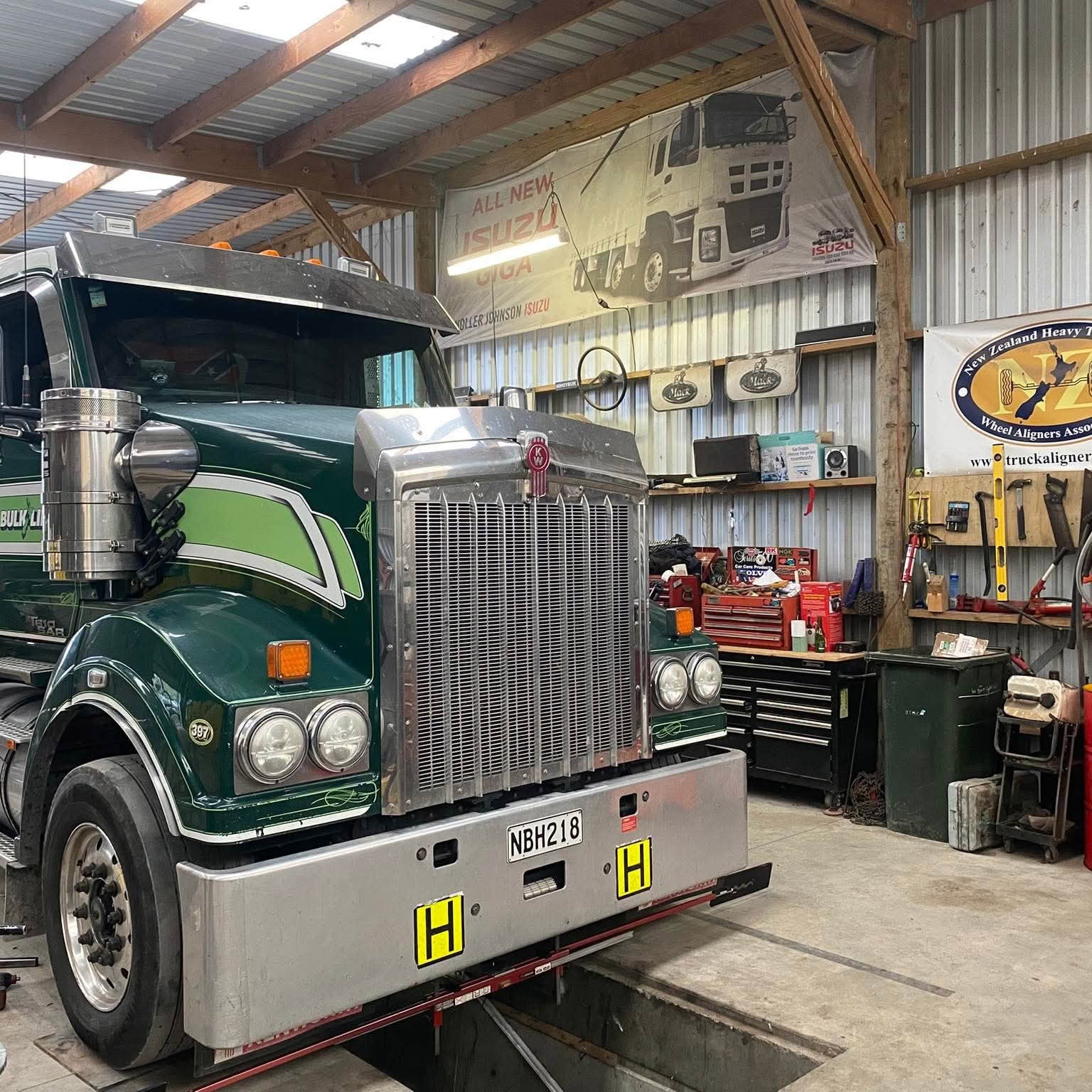

NZTA has recently suspended the licences of commercial drivers who were either suspected of submitting fraudulent documents when converting their overseas licences or whose licences were converted to the incorrect class.
It is providing a limited window of time for those drivers to re-sit the relevant tests.
If drivers have committed fraudulent activities, then NZTA will follow due process and take the appropriate actions to address that. In my view, this is a good risk-based approach.
While it is unfortunate that 459 drivers have erroneously got into the system, they are in a pool of more than 400,000 drivers licenced to drive vehicles heavier than 6 tonnes.
I was disappointed to see claims from one industry representative suggesting that a heavy vehicle licence alone is not proof of competence.
The fundamental purpose of a driving test is to assess that the driver has the necessary ability, knowledge and skill to be permitted/licensed to drive. Therefore, a driver’s licence is evidence that a level of competency has been attained. Undermining the current licence system with inferences that licensed drivers are not competent is unjustified, unfair and harmful to the reputation of our industry, our people and the regulator.
There is no doubt our licensing regime could be improved – we have advocated for this for a long time. Public consultation on the Driver Licence Rule is scheduled for next year and we will be using that opportunity proactively.
We’ve also spoken up about the need for NZTA to take action to ensure public confidence in their international license conversion processes.
However, in the meantime, tens of thousands of truck drivers continue to go to work, drive safely and do a great job making sure people get the freight and goods they need. For me, that’s pretty good evidence that they are competent drivers.
We are one of the most highly regulated industries in the country and public polling we commissioned from Research NZ earlier this year shows strong backing of truck drivers and the work they do.
If people become aware of incompetent drivers, then I’d urge them to address those specific cases with the appropriate regulatory bodies, and we can help our members with that. But let’s keep this issue in context. Let’s not let a few bad apples tarnish all the good work that gets done every day by truck drivers around the country.
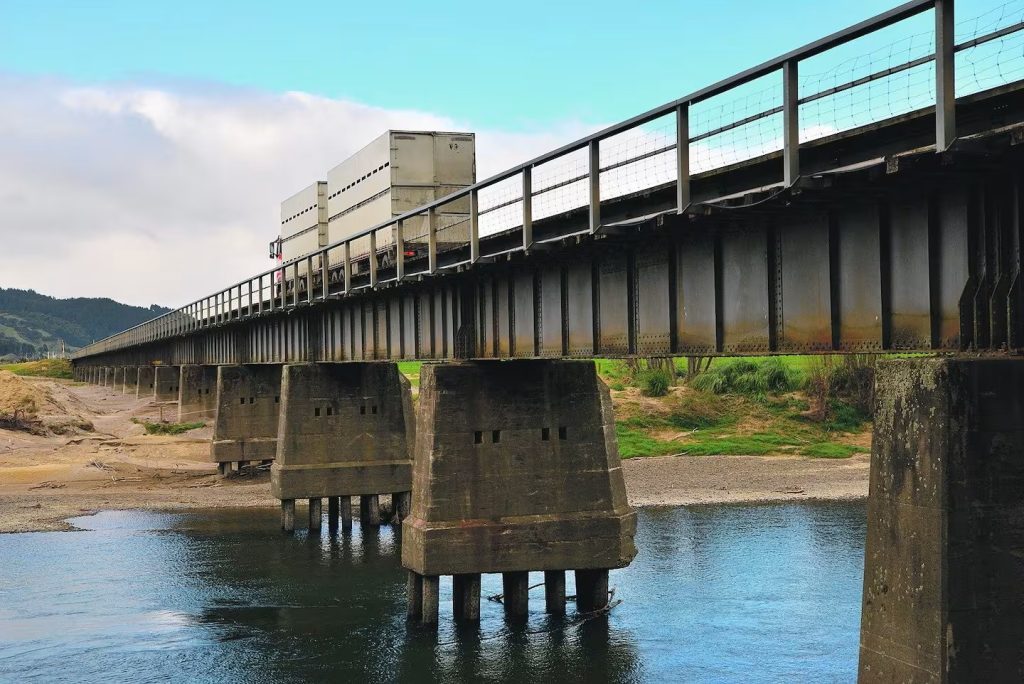
A win connecting Gisborne with Waikato, Bay of Plenty and Auckland
In June this year, the patience and tolerance of our members was understandably running very thin given the appalling state of Pekatahi Bridge.
The SH2 single-lane bridge is key to connecting Gisborne and the Tairawhiti region with the Bay of Plenty, Hamilton and Auckland, and the fact that about 40 percent of the daily traffic is made up of trucks shows how key that route is in moving goods and freight between those communities.
The bridge was being regularly shut down because the surface kept failing and we estimated the detouring for trucks was adding an additional cost to freight of about $100,000 per day.
We were very supportive of our members, the community and local businesses raising concerns about this bridge and we met with local MP Dana Kirkpatrick about it.
Therefore, we welcomed Transport Minister Chris Bishop’s announcement on Wednesday that a two-lane bridge will be built to replace it. Construction is likely to begin mid-2027 and should be finished around late 2028.
The $64 to $69 million investment will not only improve inter-regional connectivity but also add resilience. It’s a great win for those communities.