
Transporting New Zealand says the road freight industry will be monitoring the risk of fuel supply issues and rising oil prices closely, as conflict in the Middle East pushes up the global price of crude.
Chief Executive Dom Kalasih said diesel is typically the second-largest cost for road freight operators after wages, meaning sustained increases put pressure on transport rates.
“With around 93 per cent of New Zealand’s freight moved by road, changes in diesel prices flow through the supply chain and can ultimately affect the cost of goods for businesses and consumers,” Kalasih said.
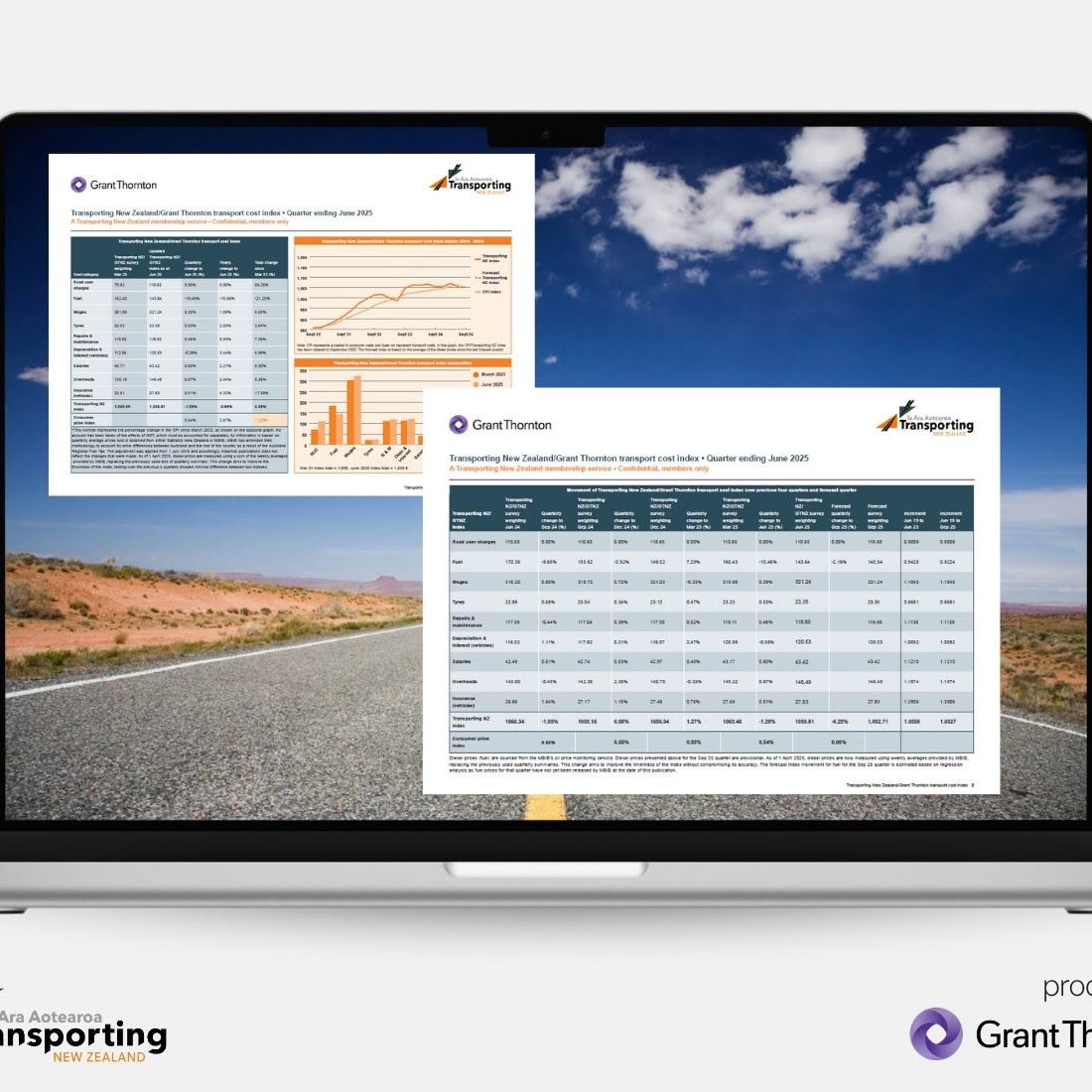
“Fuel is also the most volatile cost in our industry. Over recent years, price spikes have contributed to transport cost pressures rising well above CPI.”
Kalasih said it was too early to determine the full impact of the Middle East conflict on New Zealand diesel prices, but urged operators to closely monitor their costs.
“The road freight market is highly competitive, and many businesses operate on tight margins. That limits their ability to absorb cost increases.”
He said operators use a range of approaches to manage fuel volatility.
“Some companies apply a fuel adjustment factor, which allows rates to move up or down in line with fuel prices. Others will need to review their pricing manually.”
Kalasih also noted that the Government requires diesel importers to hold minimum fuel reserves to strengthen national resilience and reduce the risk of supply disruption. Under a decision announced last year, the minimum stockholding obligation for diesel will increase from 21 days to 28 days’ cover from 1 July 2028.
Editorial Notes
- New Zealand imports approximately 3,700 million litres of diesel per year, compared to under 3,000 million litres of petrol (MBIE Fuel Security Study 2025).
- Approximately 70 per cent of diesel is used by the transport sector. Around 11 per cent is used by industry, 10 per cent by agriculture and fishing, with the remainder consumed by commercial, retail and international shipping sectors (MBIE Fuel Security Study 2025).
- A 2024 Commerce Commission analysis found that cost increases for Regular 91 and Premium 95 petrol were passed through to consumers more immediately than cost reductions. This asymmetry was not observed for diesel.