
Weathering the storm: Rethinking transport resilience
Unseasonal weather is further evidence we need to think differently
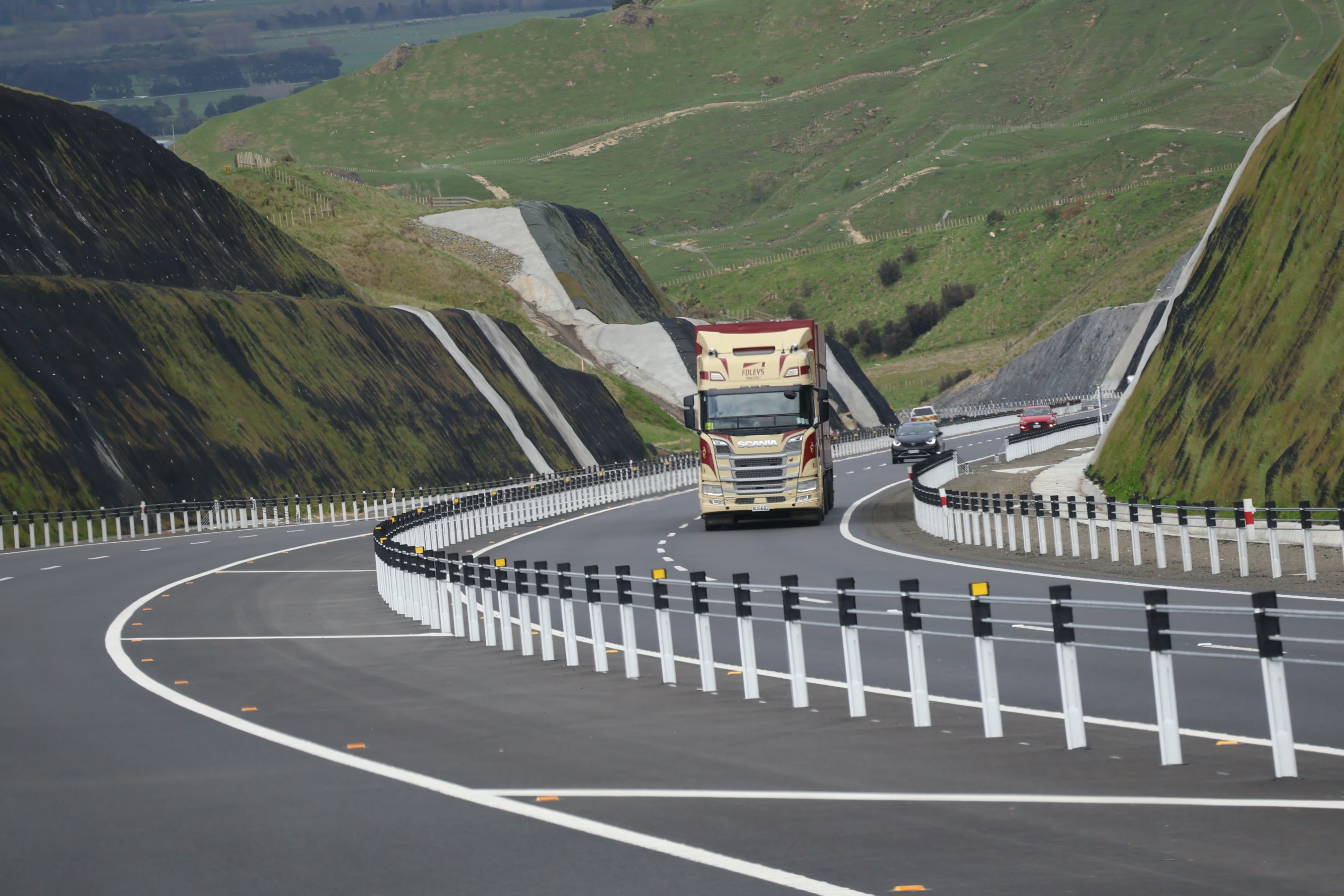
The impact of bad weather on transport was covered extensively in the media this week. In a strange way, this is a subject I enjoy talking about because during these times our industry excels. The road freight sector has a great reputation for being highly resilient, even in really challenging weather and roading conditions. As long as the network is open then trucks can keep freight moving – albeit varying delays.
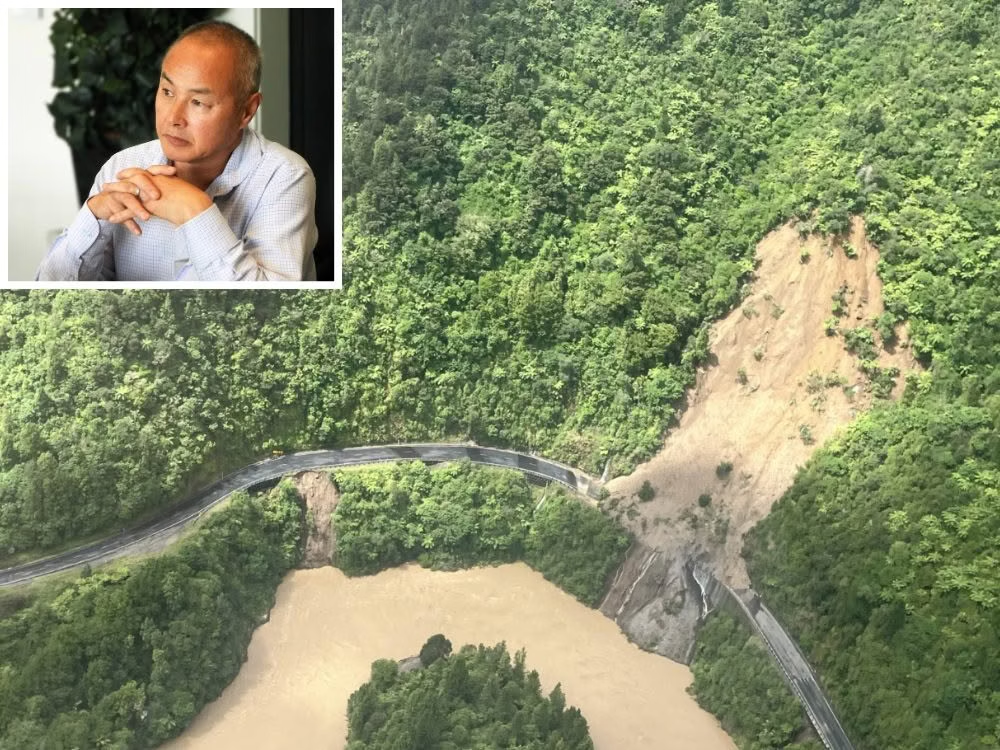
The slips closing Waioweka Gorge are a good example. The detour adds another 211 kilometres to the trip, but transport operators simply get on and find a way of managing that. That said, we need people to appreciate there’s an increase in the price of freight when events like this happen. For example, all other things being equal we estimate the Waioweka Gorge detours will add over half a million dollars to freight costs each week.
There will be a time when we can no longer consider challenging weather like this to be “unseasonal”. Fortunately, road freight operators are well-versed in expecting the unexpected. Additionally, heavy vehicles typically only account for between 10 and 20 per cent of the traffic stream, so truck drivers are a small percentage of people whose travel is directly affected by major disruptions.
Despite the best efforts of transport operators, if the network is closed, then the adverse impacts of community severance are increased. It’s important NZTA is taking this into consideration.
Overseas, particularly in North America there is considerable research being undertaken to manage the risk of climate change on network resilience. In a similar vein we need NZTA to be proactively considering which parts of the network are critical and present most risk to communities if the movement of freight and people is compromised. This will be one of the agenda items our Board Chair, Cameron Bagrie and I will discuss with NZTA’s CE Brett Gliddon when we meet next month.
We need to also be thinking differently about road maintenance and construction. Given this work is largely undertaken in good summer conditions, NZTA need to be planning for all kinds of weather and the inevitability of extreme events.
However, it’s not just rain we need to worry about. A couple weeks ago, SH1’s Transmission Gully had to receive urgent repairs when about 180m of the existing chipseal road surface was “peeling off due to the heat and volume of slow or stopped traffic.”
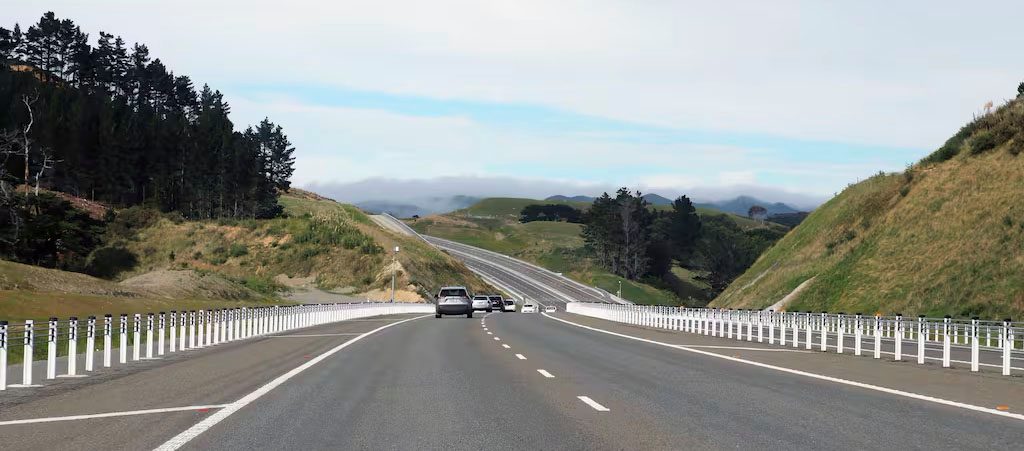
According to MetService, the area reached a high of 23.8°C that day. I appreciate many may take a quick dig at Wellington’s weather reaching 24°C, but really, surely our roads – even in Wellington – should be built to withstand temperatures higher than that!
Surprising reasons why fleets use telematics
I was pleased to read one of the insights in Teletrac Navman’s recent report that the reasons for deploying safety technology are changing. The key findings include that 84% of fleets deploy safety technology primarily to exonerate drivers; 53% of fleets involved in accidents successfully exonerated drivers using telematics and video data; and over 70% of fleets report faster claims resolution and reduced insurance premiums after implementing safety technology.
Taxation and the not-for profit sector
There are over 115,000 not-for-profit (NFP) organisations in New Zealand. This includes about 29,000 registered charities and many more smaller, unincorporated groups like sports clubs and community trusts. I suspect for many of our members, Transporting New Zealand will not be the only NFP organisation they belong to.
The Government is proposing a change that could dramatically impact the financial sustainability of associations and not-for-profits across the country. If enacted, this change would see membership fees taxed, undermining the vital work many associations do on behalf of their sectors. For many, this could mean cutting back on member services, advocacy, training, and events – right when our industries need them most.
Over the last six months or so we’ve been fortunate to have our colleagues at BusinessNZ leading the charge on this and have joined them in opposing these proposals. If you belong to a not-for-profit organisation that is unaware of these proposed changes, you may wish to alert it to this. Strength in numbers will be critical to stopping these changes and keeping NFPs afloat.


Didn’t get this by email?
Stay in the loop on the latest road transport news with our weekly Dispatch newsletter, delivered to your inbox every Friday morning.