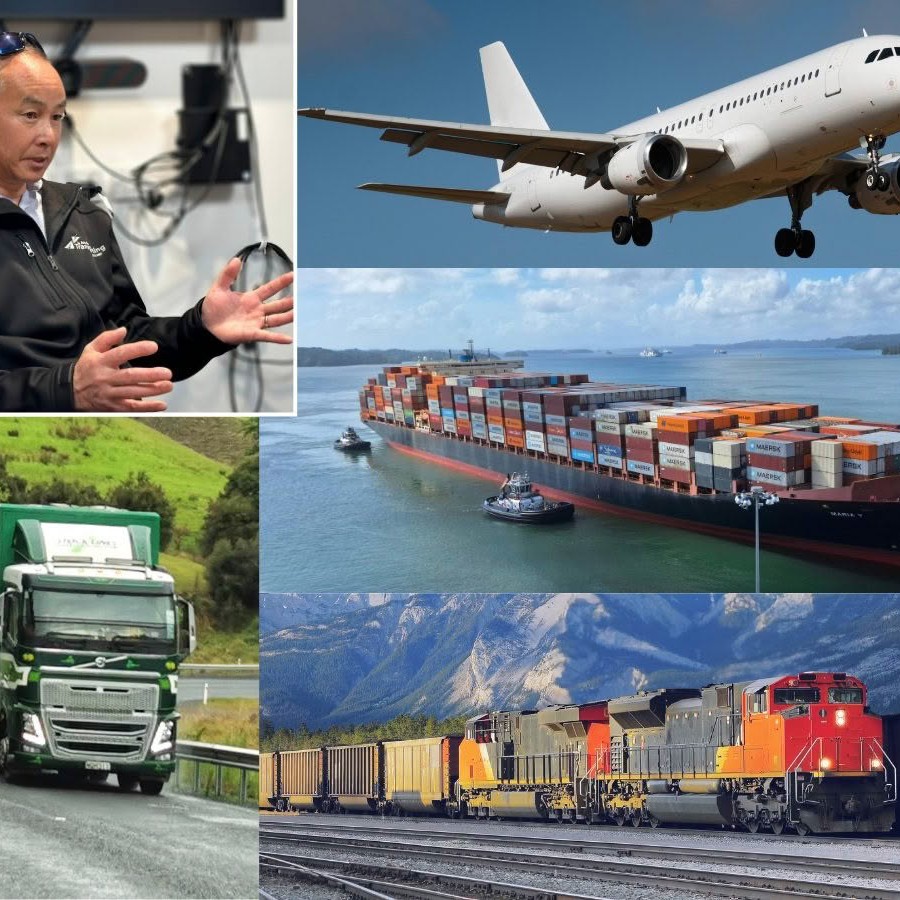

I’ve been a bit unlucky recently with my travel around the country.
I had two weeks of leave in the South Island and was due to return to Wellington last Sunday, but my Cook Strait crossing was cancelled. I was delayed a day getting back. Two days later, on a flight from Napier some low cloud stopped us landing at Wellington Airport. We turned around and I had another unscheduled overnight stay away from home. The following morning my rescheduled flight was delayed, meaning I’d miss my next flight to Hamilton. I ended up driving there and got back to Wellington a day later than planned (again).
I’m not complaining, but it was irritating. A few things I meant to get done had to be deferred – it is what it is. In fact, I think I’m lucky because by and large my travel goes pretty much to plan and that level of disruption was quite exceptional for me.
However, it was useful to reflect and marvel at our members’ drivers who face travel uncertainty much more than I do, probably every day. They don’t know how long they might be held up at roadworks or in other unexpected delays. Yet invariably they still get the job done.
The last couple of weeks have added another whole level of complexity. There have been an unusual number of truck stops running dry (for a relatively short period). I sympathise with the drivers who have faced that situation. It means making another stop which will inevitably raise stress levels.
There have also been unprecedented fuel price increases, and the impact of this on bottom lines must be worrying transport operators. For many, there will be uncertainty about whether they can recoup the additional costs. Given the size of the price increases are likely to be larger than their profit margins, the consequences of not being able to recoup the additional costs could put their ongoing financial viability at risk.
But despite all this extraordinary additional stress and strain at the moment, I haven’t heard of any substantive disruption to freight getting where it needs to. Our members prioritise getting the job done. They put their clients and customers first.
The incredible levels of tolerance and resilience from our industry have been incredible, and they should be taking a bow. Our country is extremely lucky to have such dedicated and committed people serving them. I’m extremely proud to be part of our industry.
I believe there have already been some silver linings to this cloud.
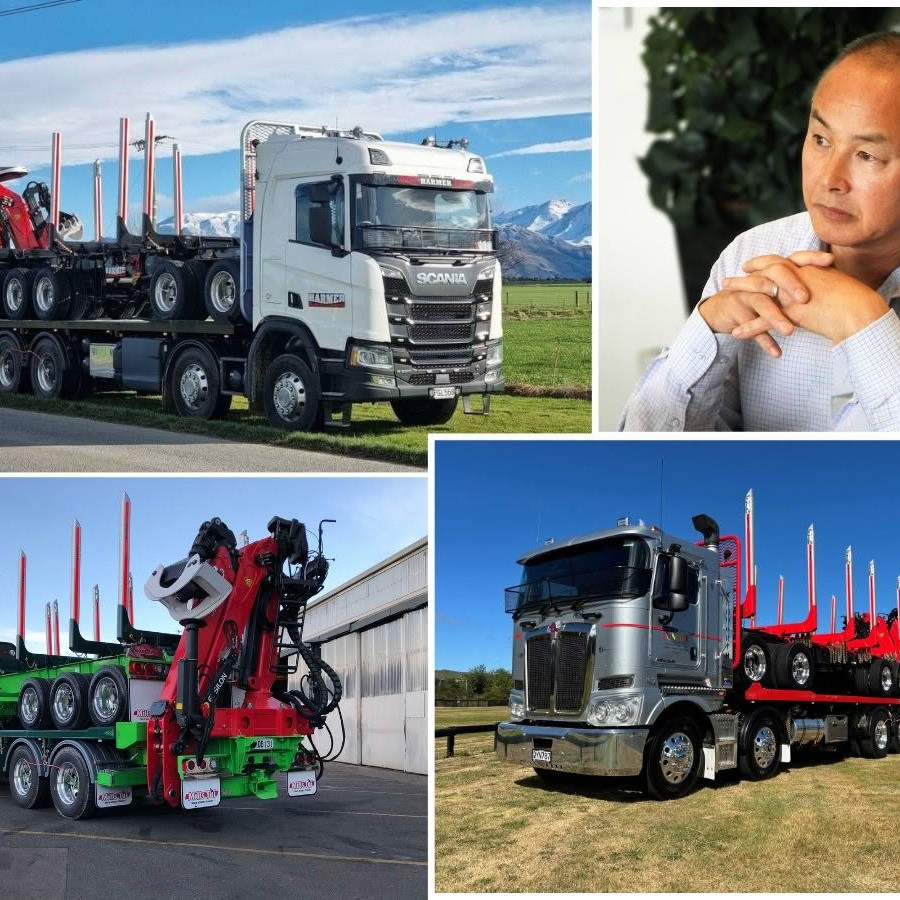
I think it’s opening the door to more discussion and urgency around improving freight productivity, and there’s a greater realisation of how valuable that would be to the economy.
Long before these current international tensions were raised our Board had already determined that “Productivity and Infrastructure” would be one of our five strategic focus areas.
I know from the past, despite their clear benefits, higher productivity trucks can become a very emotive topic and a tough conversation. There’s an old adage about “working smarter, not harder” and I think it’s important that improving freight productivity should be seen in the same light.
Being smarter about how we use the road network is a win-win for everyone. From what I’ve heard in recent days, I sense a bit of a turn. I’m more optimistic than I have been for decades that progress can be made in this area. That would be a good win for our economy and for all New Zealanders.
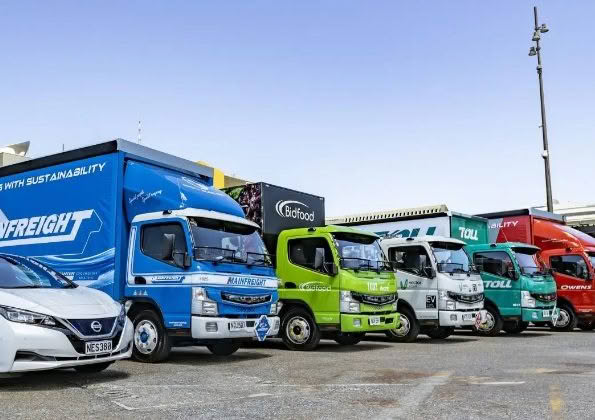
The escalation in individuals and companies exploring alternative fuels is also a good thing. Granted, changing the fleet will take time, but the more we can do, the better we can manage the risks that come from largely being a one-trick, diesel-powered pony.
Watch these spaces.