After years of talking about VDAM reform, I’ve been feeling we were stuck in that unenviable place of paralysis by analysis. But over the last 72 hours I’ve sensed a quantum leap in attention and urgency. As I write this, officials are scampering to advise their respective Ministers on what can be done to see our way through the fuel price crisis.
While MBIE has been doing plenty of heavy lifting, and the Ministry of Transport and NZTA have been focussed on regulatory barriers in the transport space, we’ve also been assisting MPI.
Leading with practical solutions
Our policy and advocacy strategy from the get-go has been to lead with a proactive solution, and to increase awareness that these unexpected costs will ultimately show up in the cost of living.
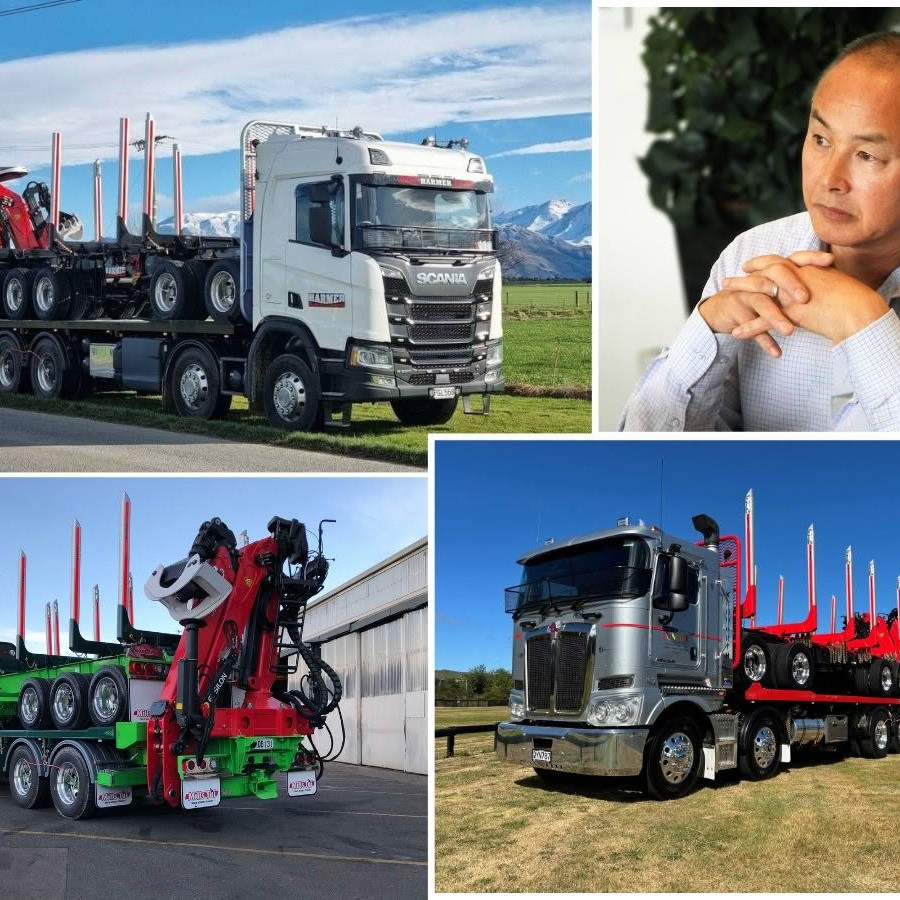
When a key input resource comes under extreme strain, using it smarter is a tried-and-true strategy. That’s why Transporting New Zealand led off proposing what we believe is a relatively simple productivity initiative, targeted in the area where it’s needed most. Namely, vehicles transporting a disproportionate amount of the freight task.
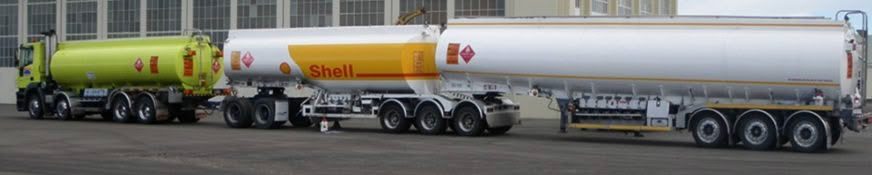
As long as those vehicles are safe to do it, then let’s allow them to move another two tonnes. This relatively small increase will help manage infrastructure impacts. Our recommendations and advice are underpinned by a good evidence-base. It has been unfortunate and somewhat frustrating that others representing our industry haven’t immediately got behind this. I’ve been astounded at those suggesting that longer vehicles are what’s required instead. To think that was a solution at the moment is madness, and it’s been an unhelpful and unnecessary distraction.
Sure, longer vehicles can make a difference for freight that’s cube constrained. I’ve been an advocate of that for the last 30 years, including some industry-leading testing back in 2010 which I was involved in and coincidentally also involved Murray Young, one of our Board members.
However, to deliver benefits of scale down this path ultimately requires changing the fleet, and that takes time and investment. It also creates uncertainty for those in our trailer manufacturing industry, due to the risk of customers deferring orders for fear of ending up with obsolete vehicles.
Our collective focus should now be on seizing the low hanging fruit. It should be quickly enabling improved productivity from our current fleet, which has spare capacity but is constrained by current regulation. That has been Transporting New Zealand’s priority because it’s sensible and it’s good for NZ Inc.
There are no silver bullets in managing these situations, and we need a reactive response as well. We understand that in some regions, transport operators are seeking financial assistance, with credit limits being pushed to unprecedented levels.
Therefore, we have also taken the stand that government should be considering financial relief, likely by way of RUC relief. We look forward to further discussions with government, so watch this space.
What happens next
As I write this, I understand Ministers are literally hours from receiving advice from their officials and we anticipate some decisions to be made very shortly. Then, we’ll know how our recommendations to improve productivity have landed.
Whatever happens, I’m very proud of the quality and substance of the advice our team has put forward.
I appreciate that technically we’re not in a crisis, we’re still in the “Watchful” stage. However, from the discussions I’ve had over the last few weeks, I’m sure that for many of our members it’s felt like a crisis. It’s a shame it’s taken this level of stress and strain to put a focus on improving transport productivity.